Six-Headed Beast is heir to the fables and tales that populate the popular imagination, from Aesop to La Fontaine, between Torga and Mia Couto.
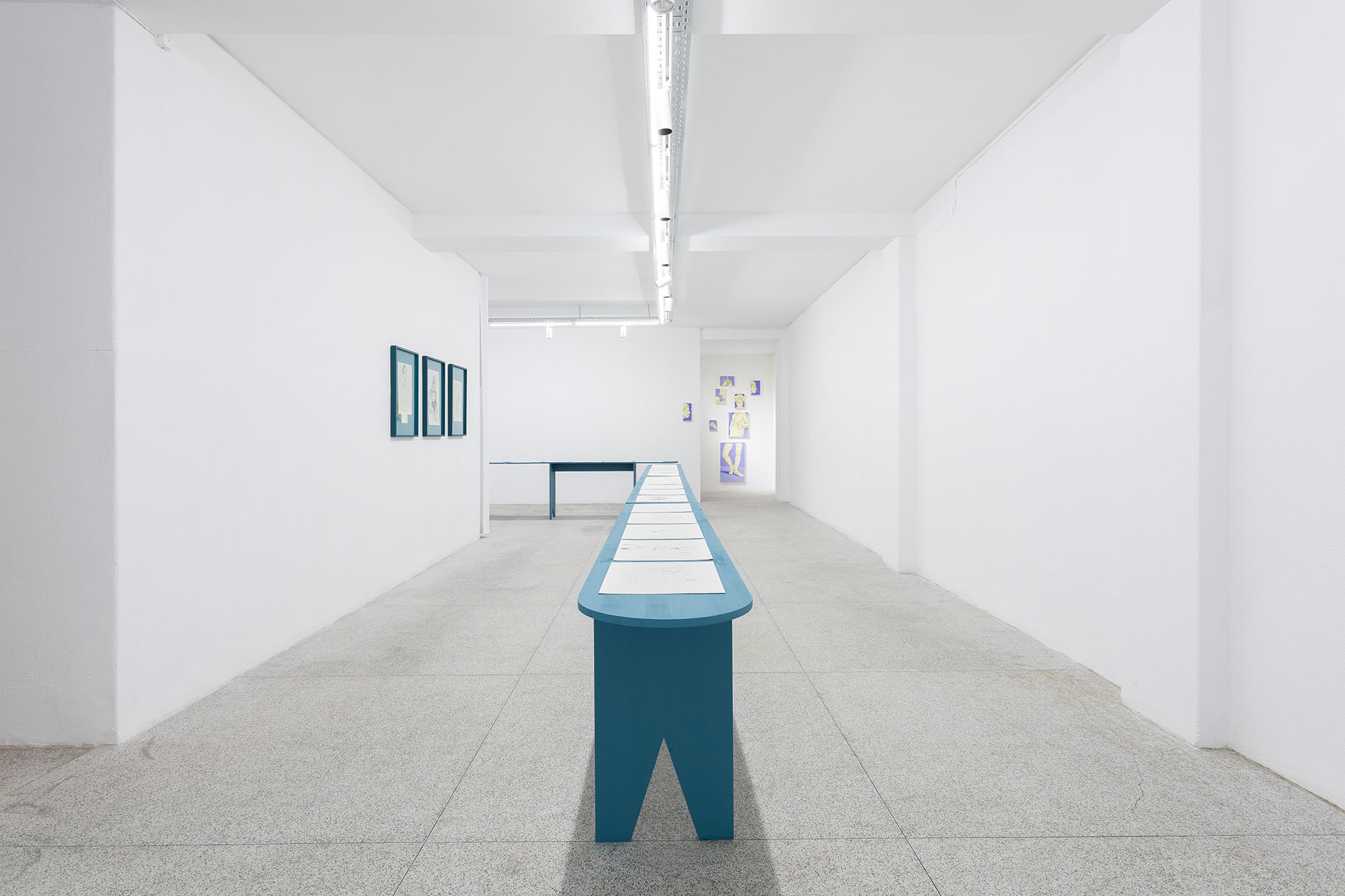
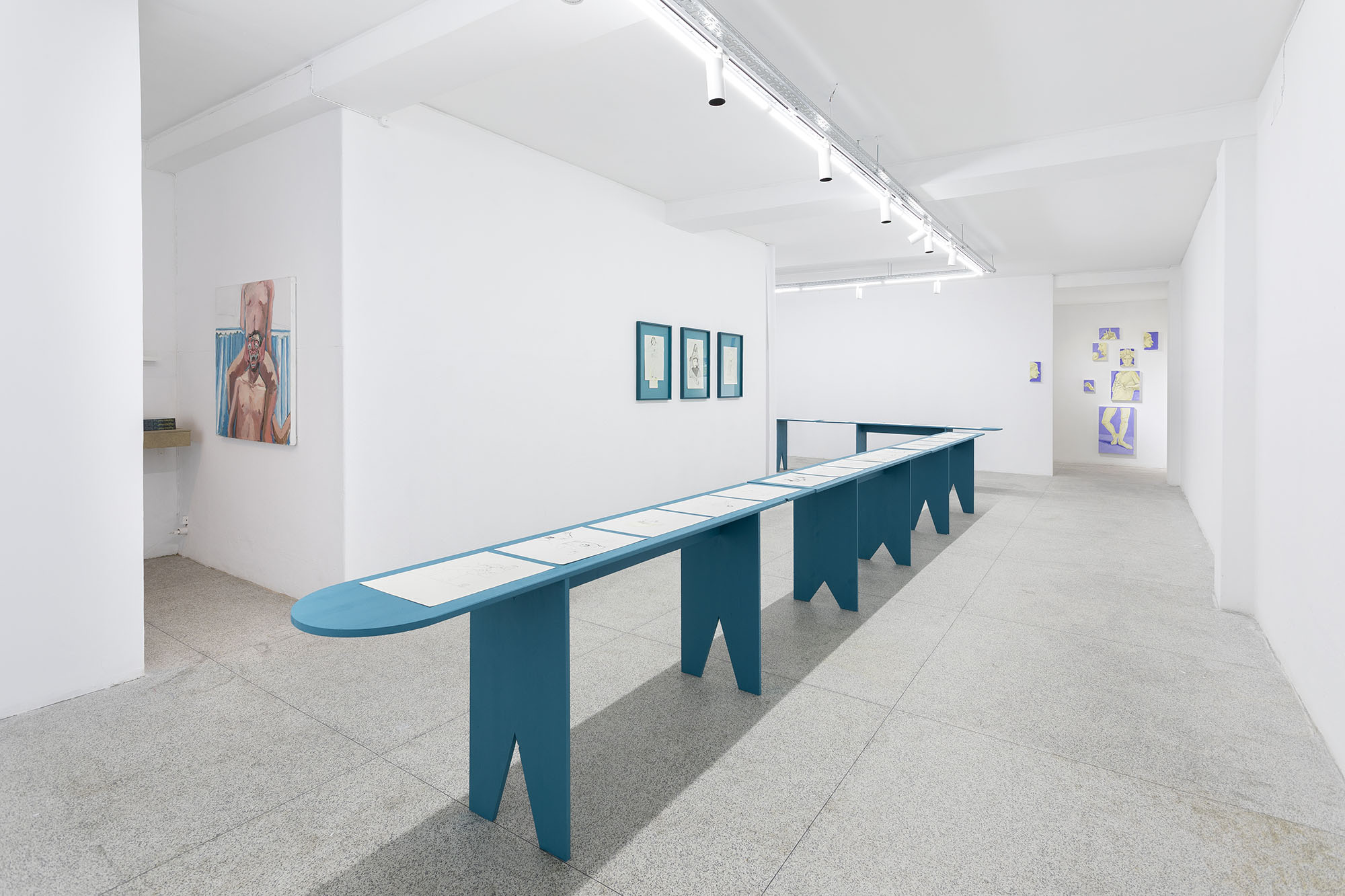
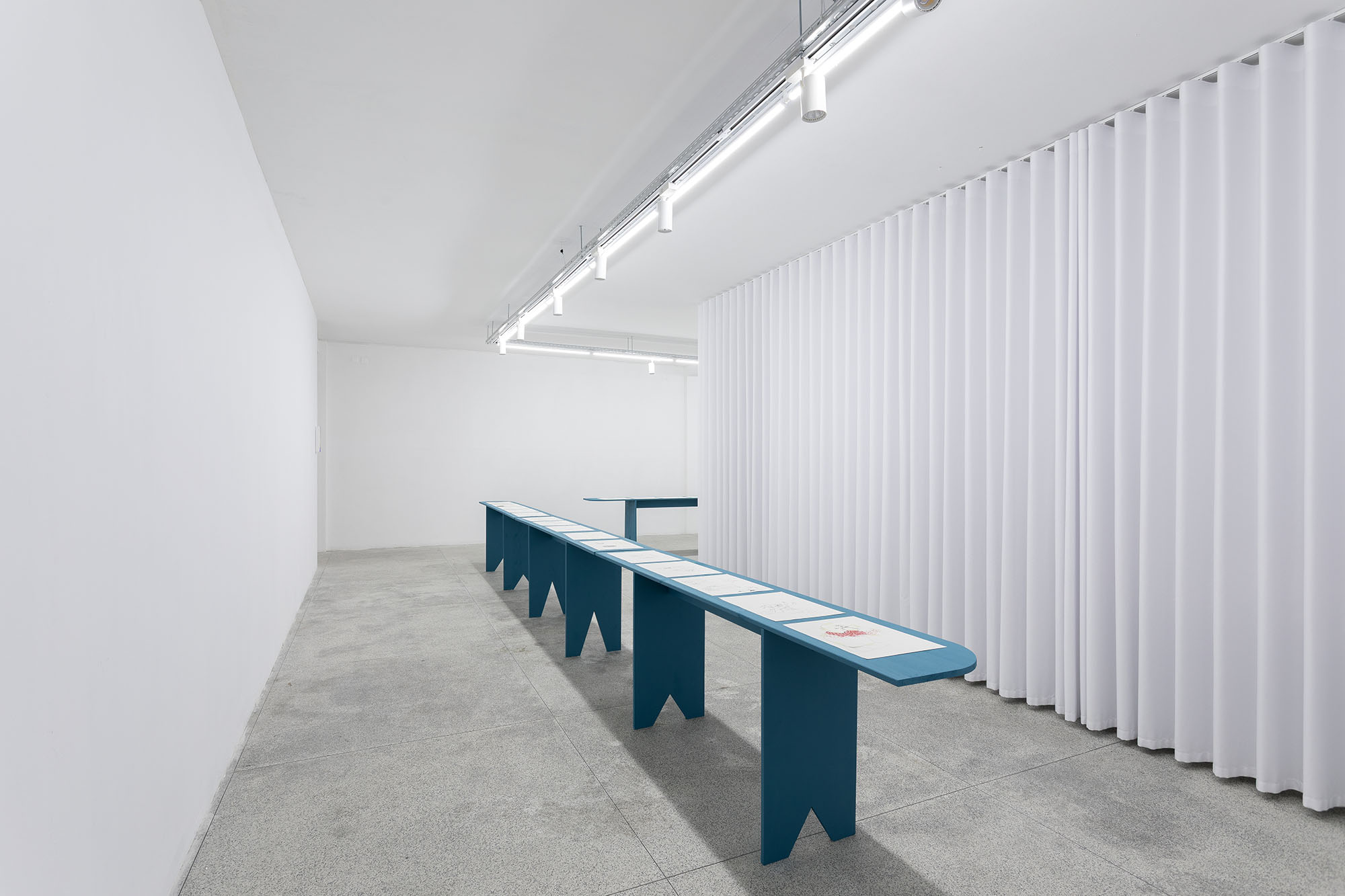
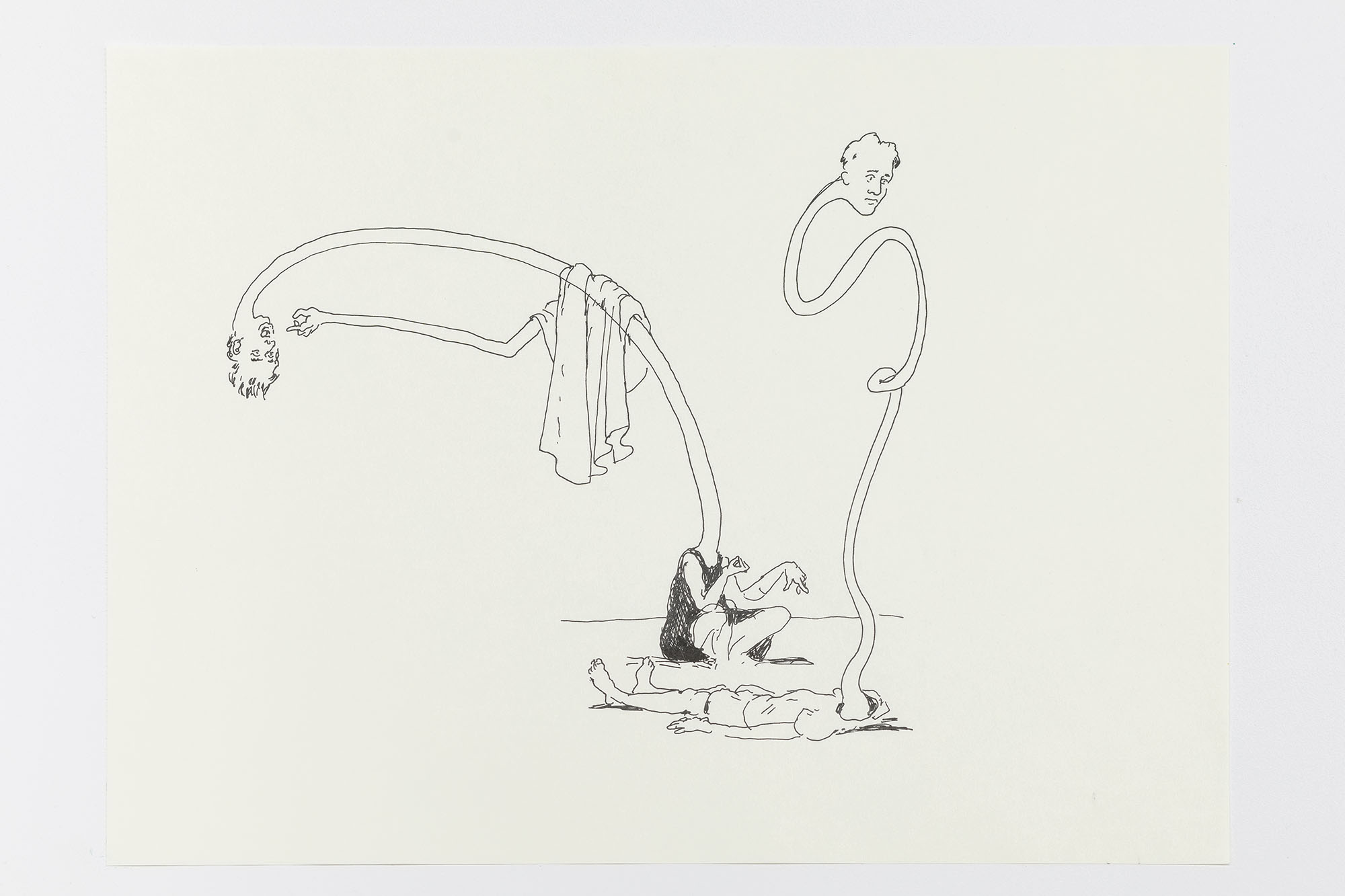
a) In form, it resembles the mythological Hydra, simultaneously amputated and regenerated, which does not merely announce the painting to come, but holds, among its heads and long necks, the murmur of open narratives;
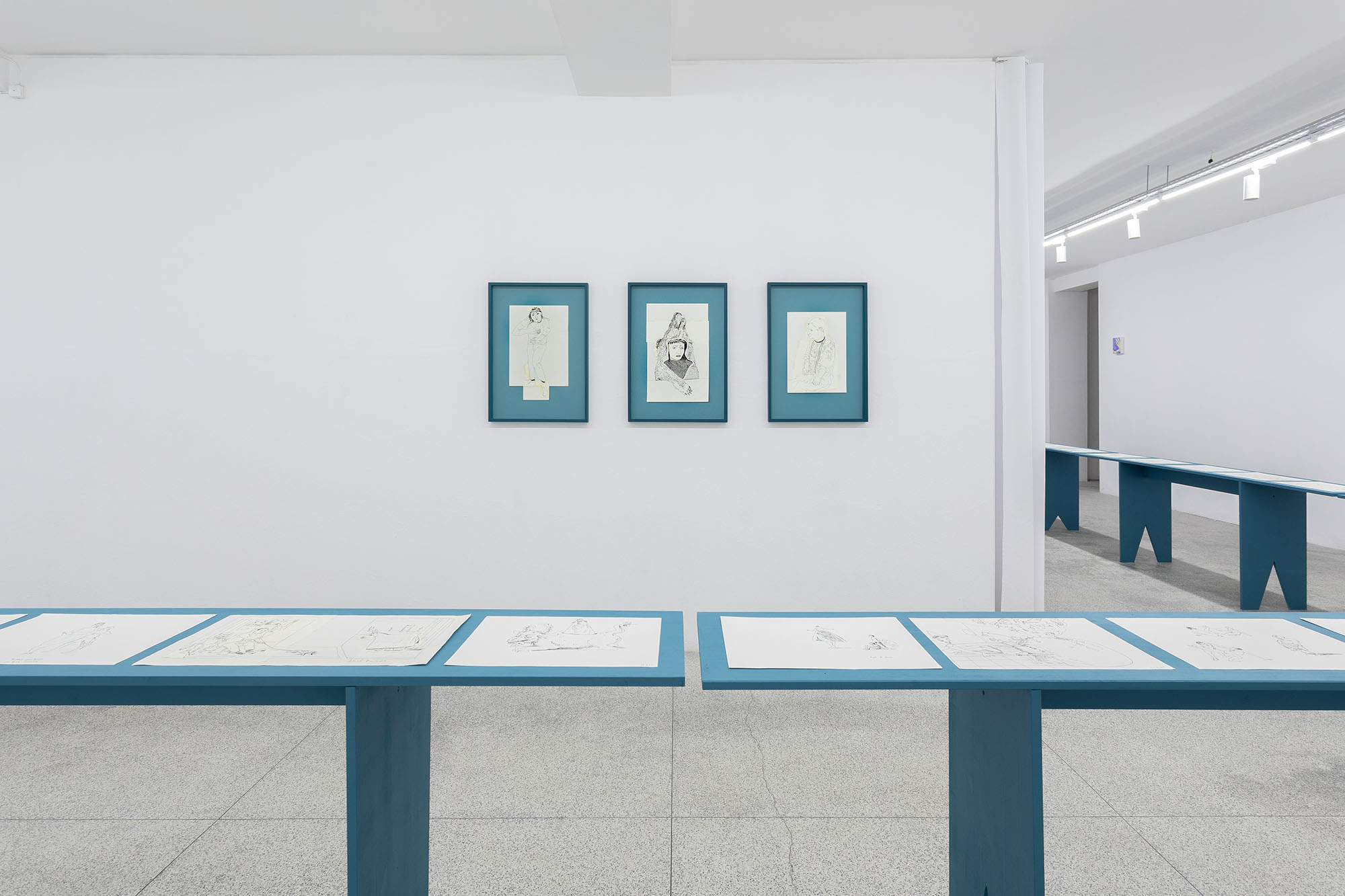
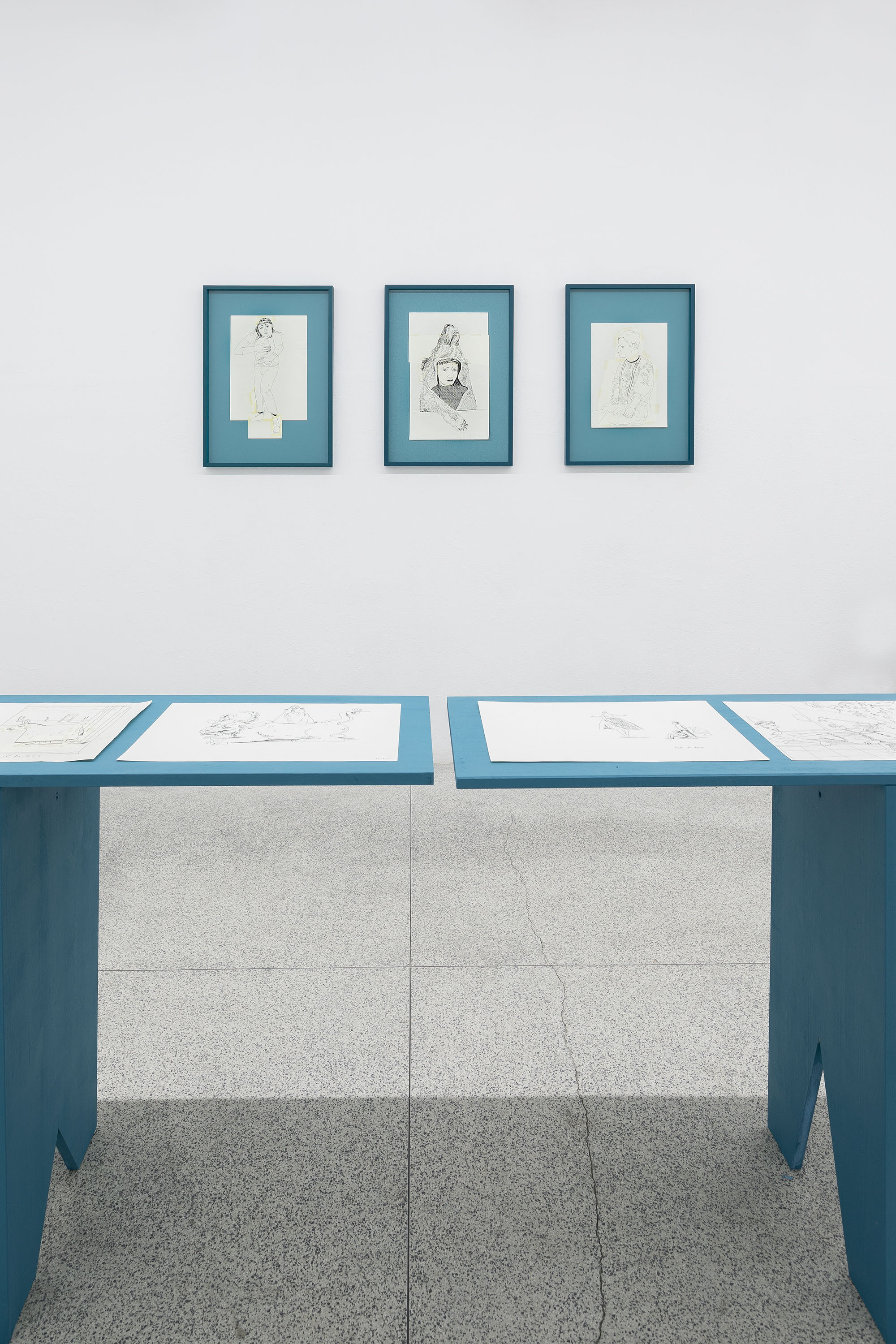
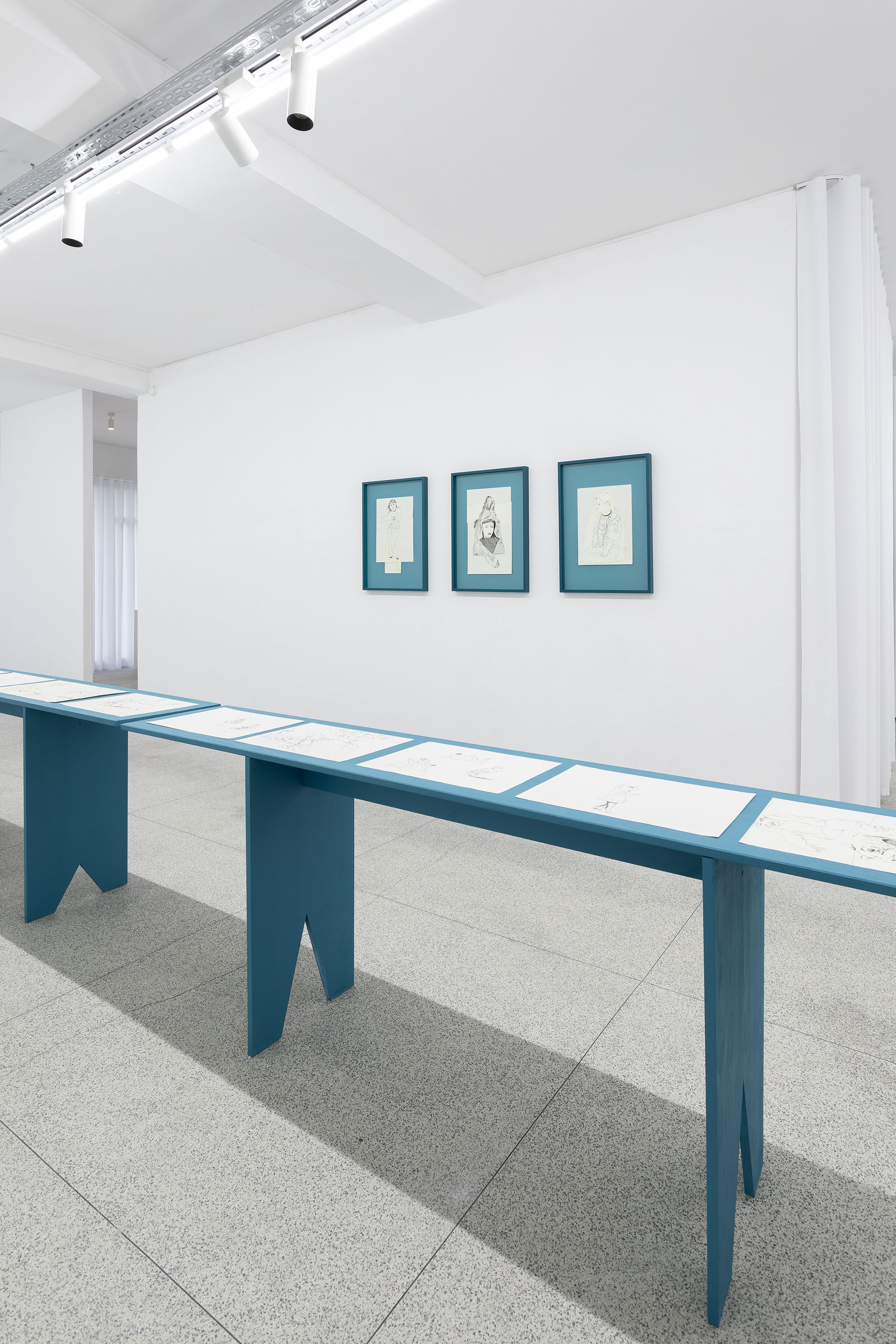
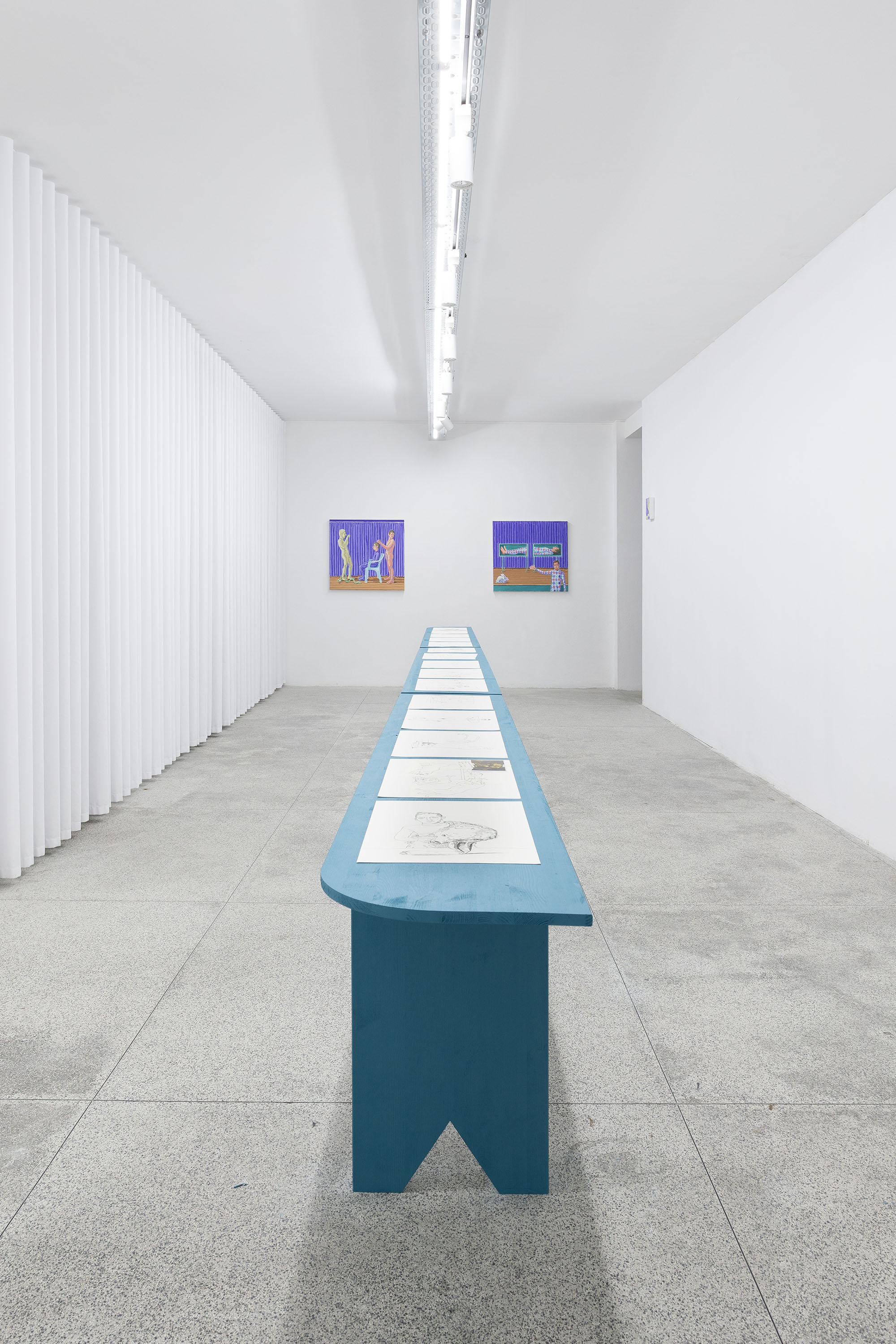
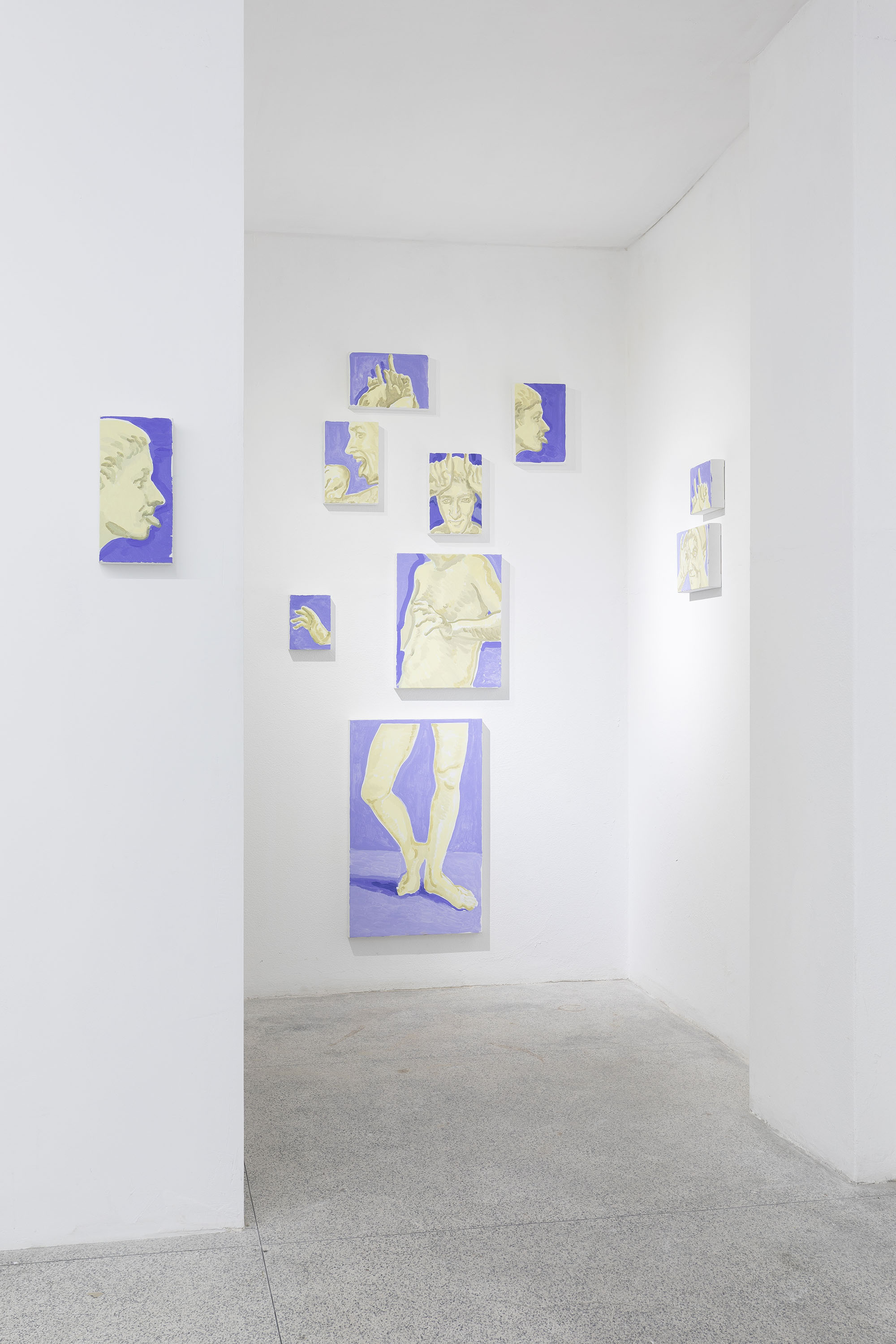
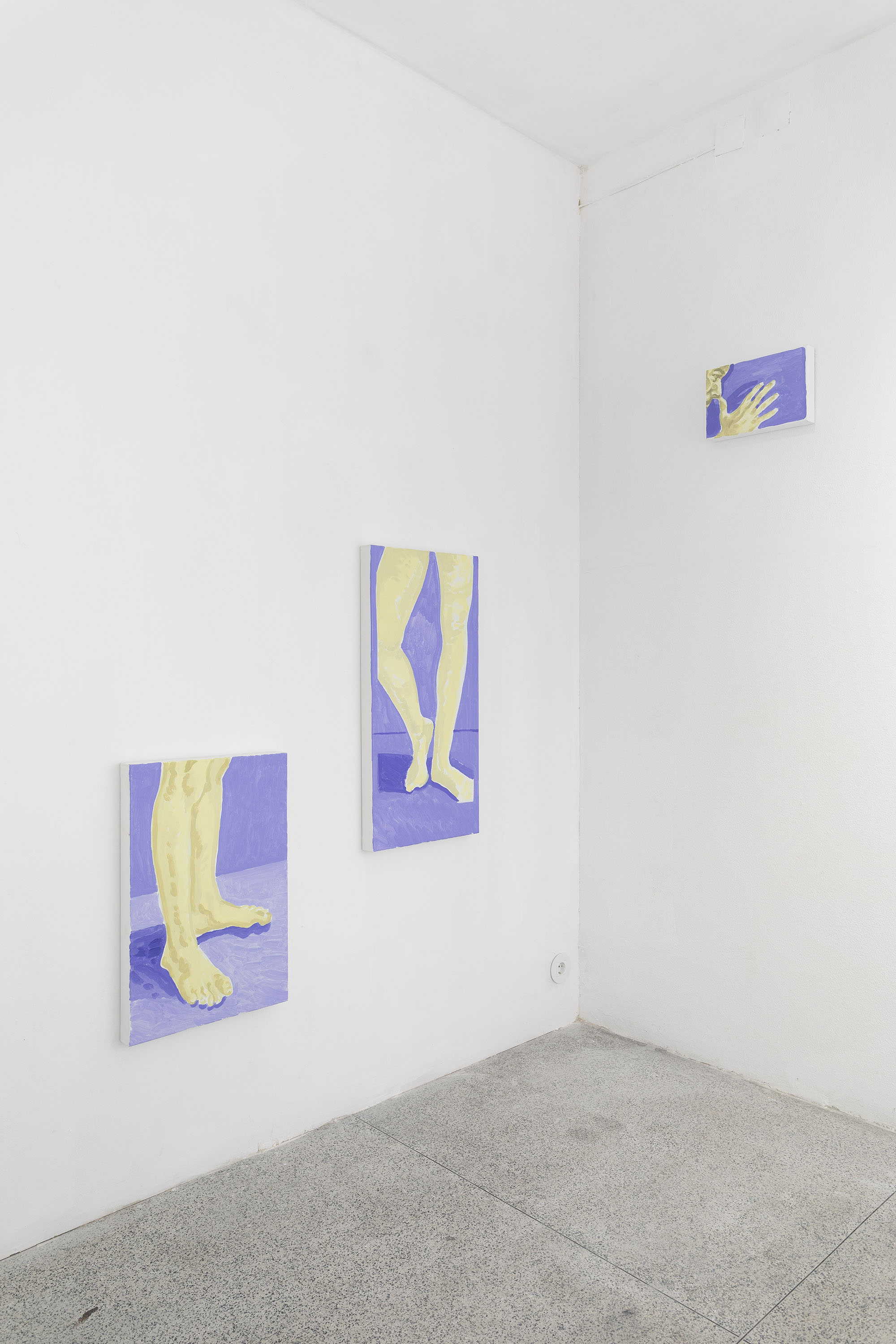
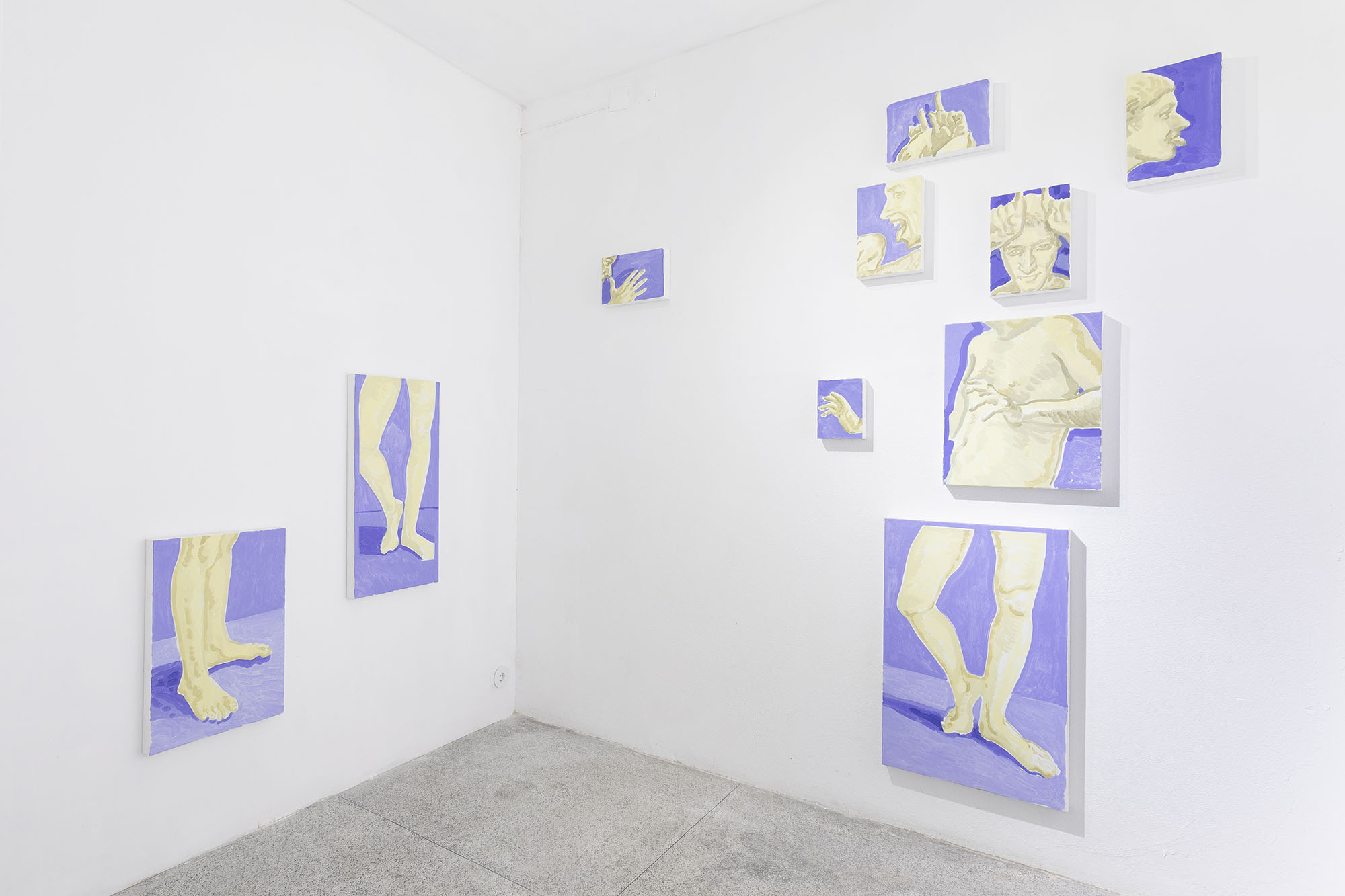
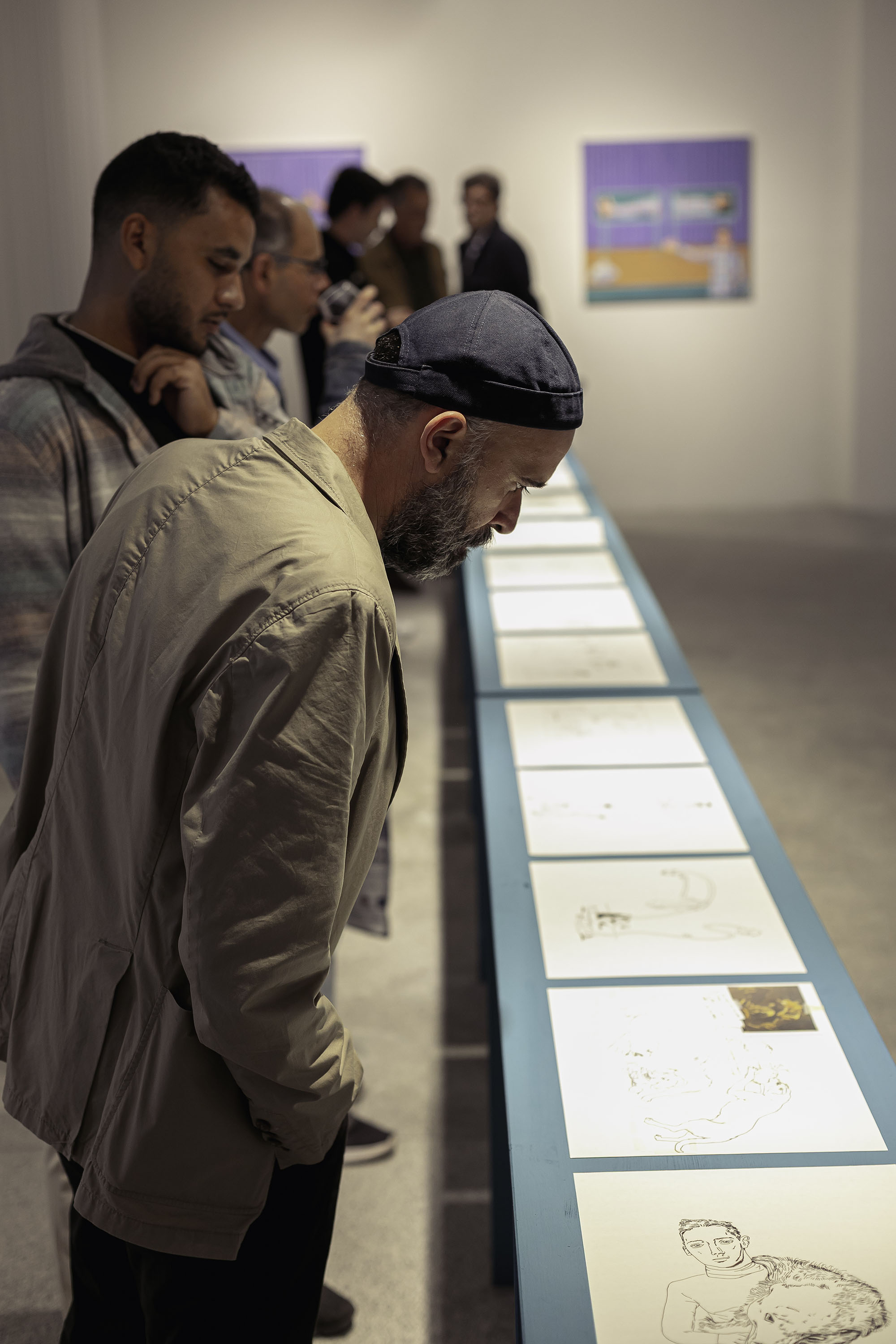
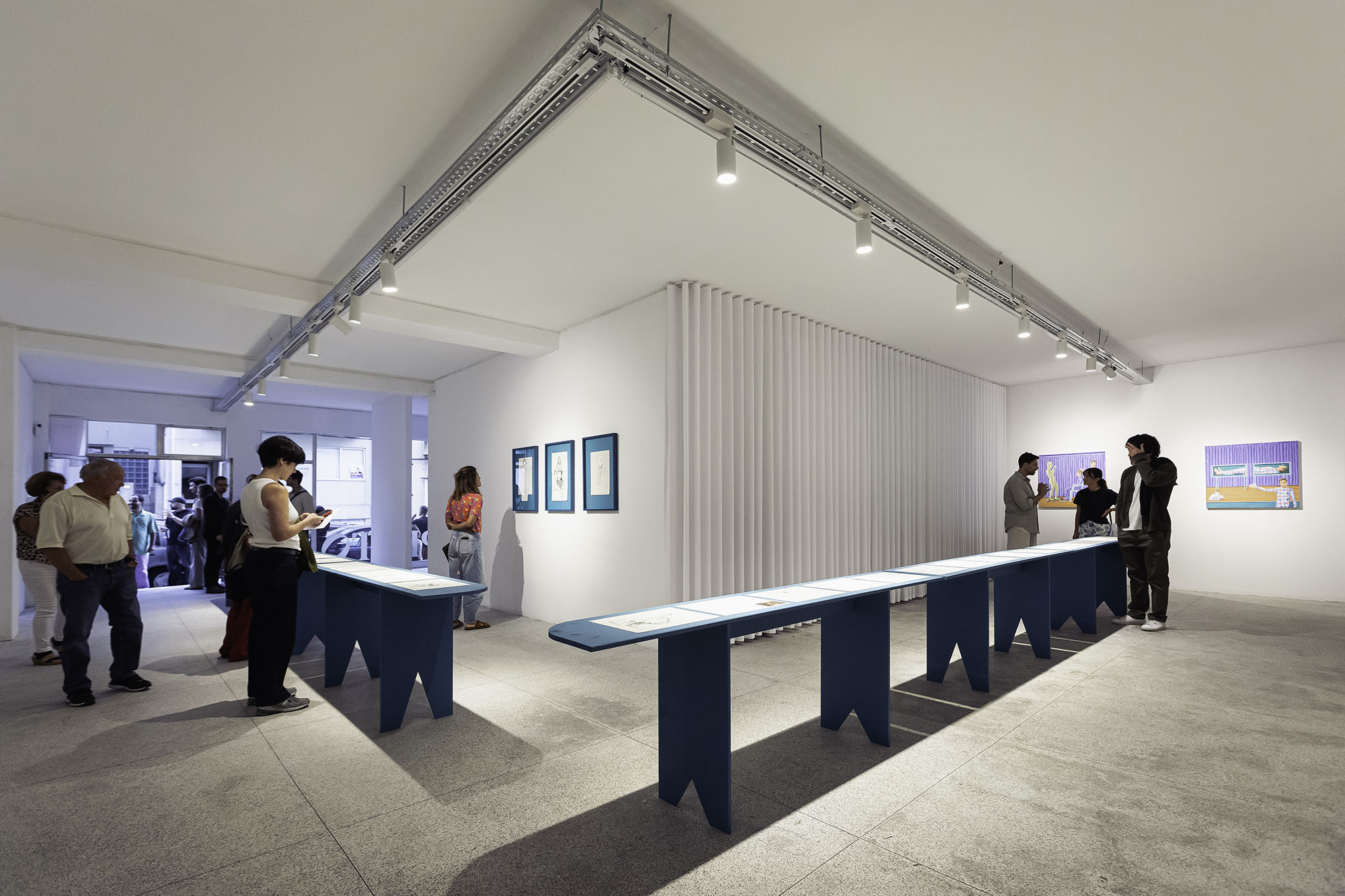
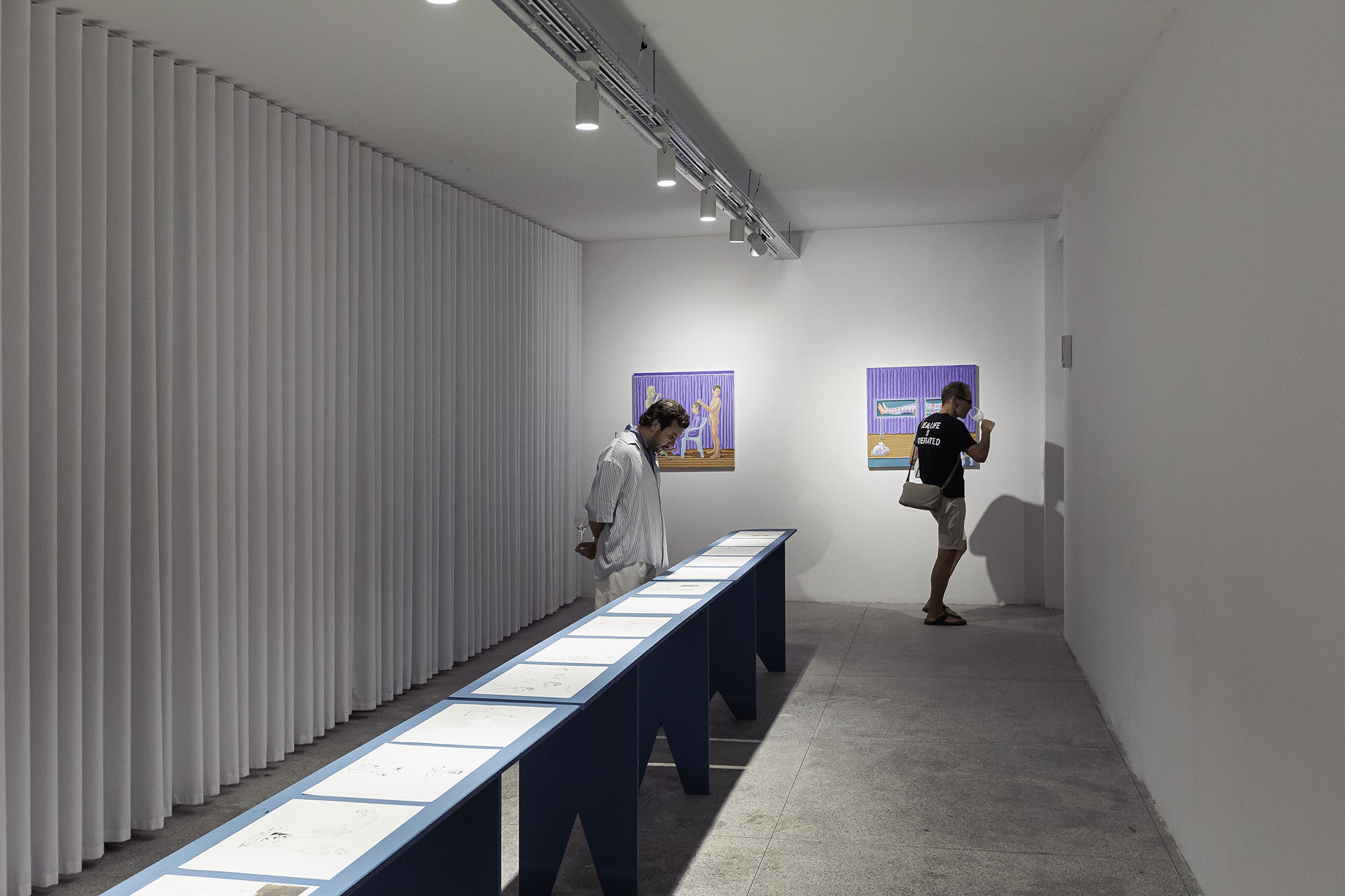
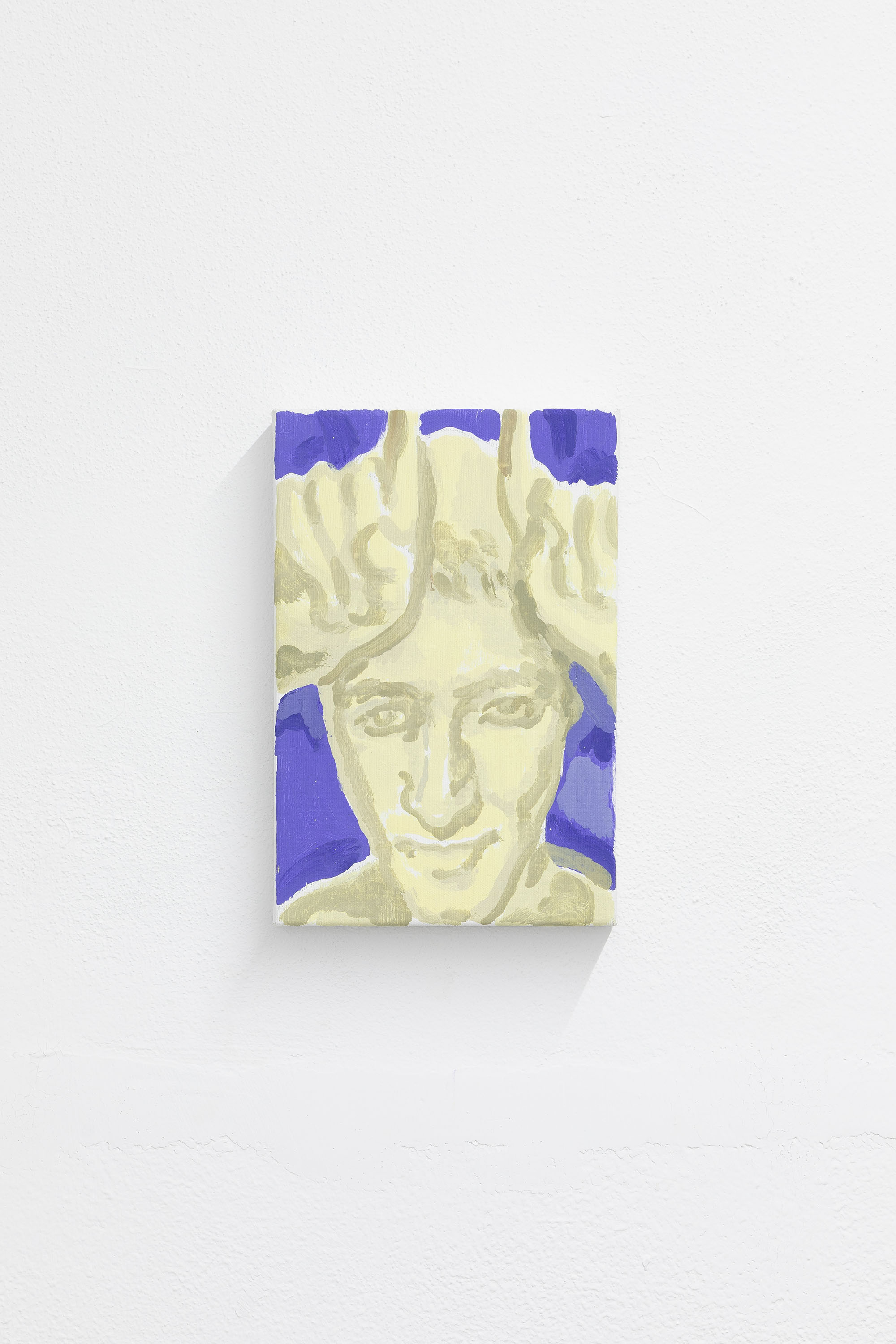
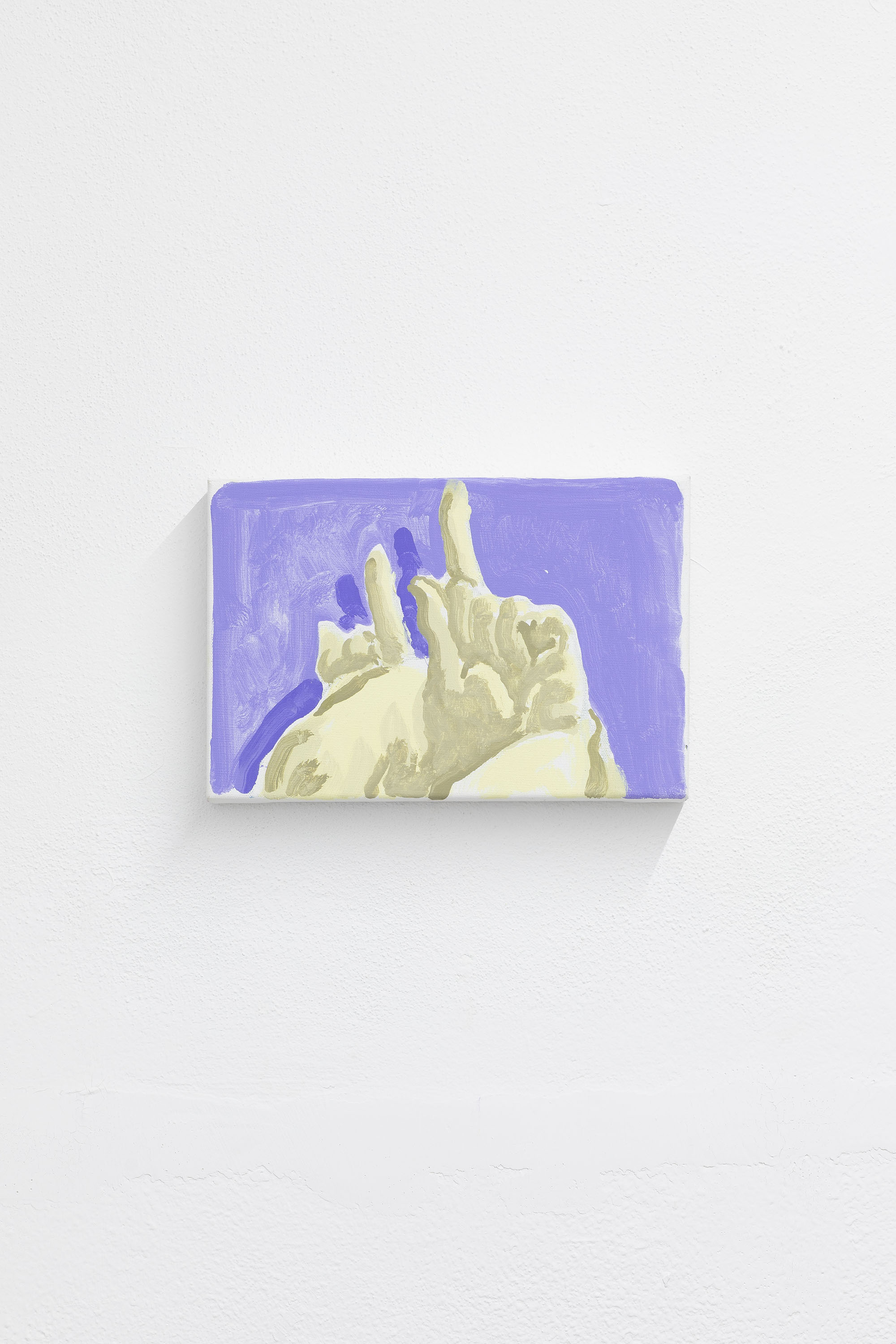
b) In content, it is a sequence of 30 drawings (another 30 held in reserve) and smaller-format paintings, indicating the path toward a journey through Abel Mota’s thought;
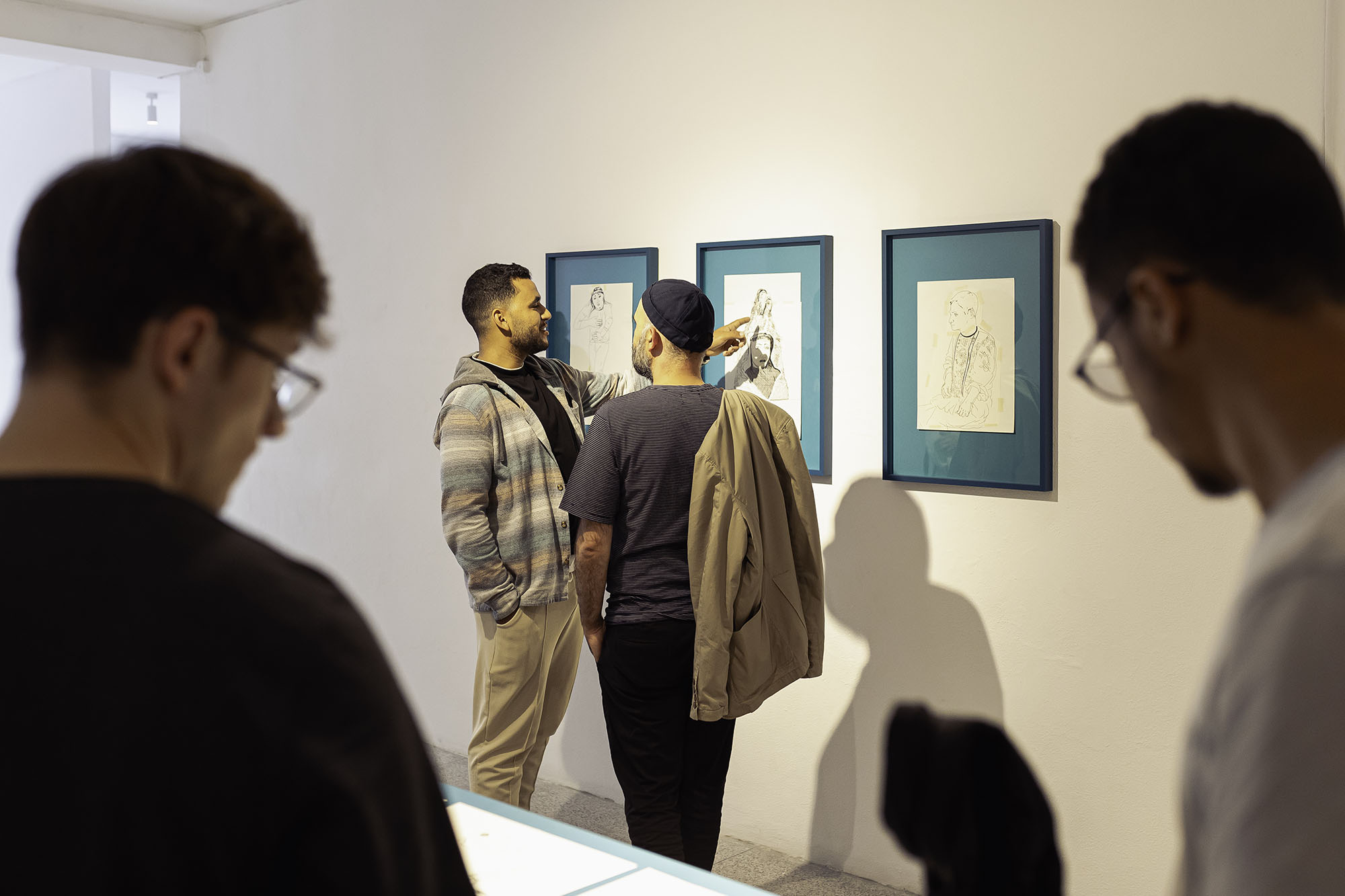
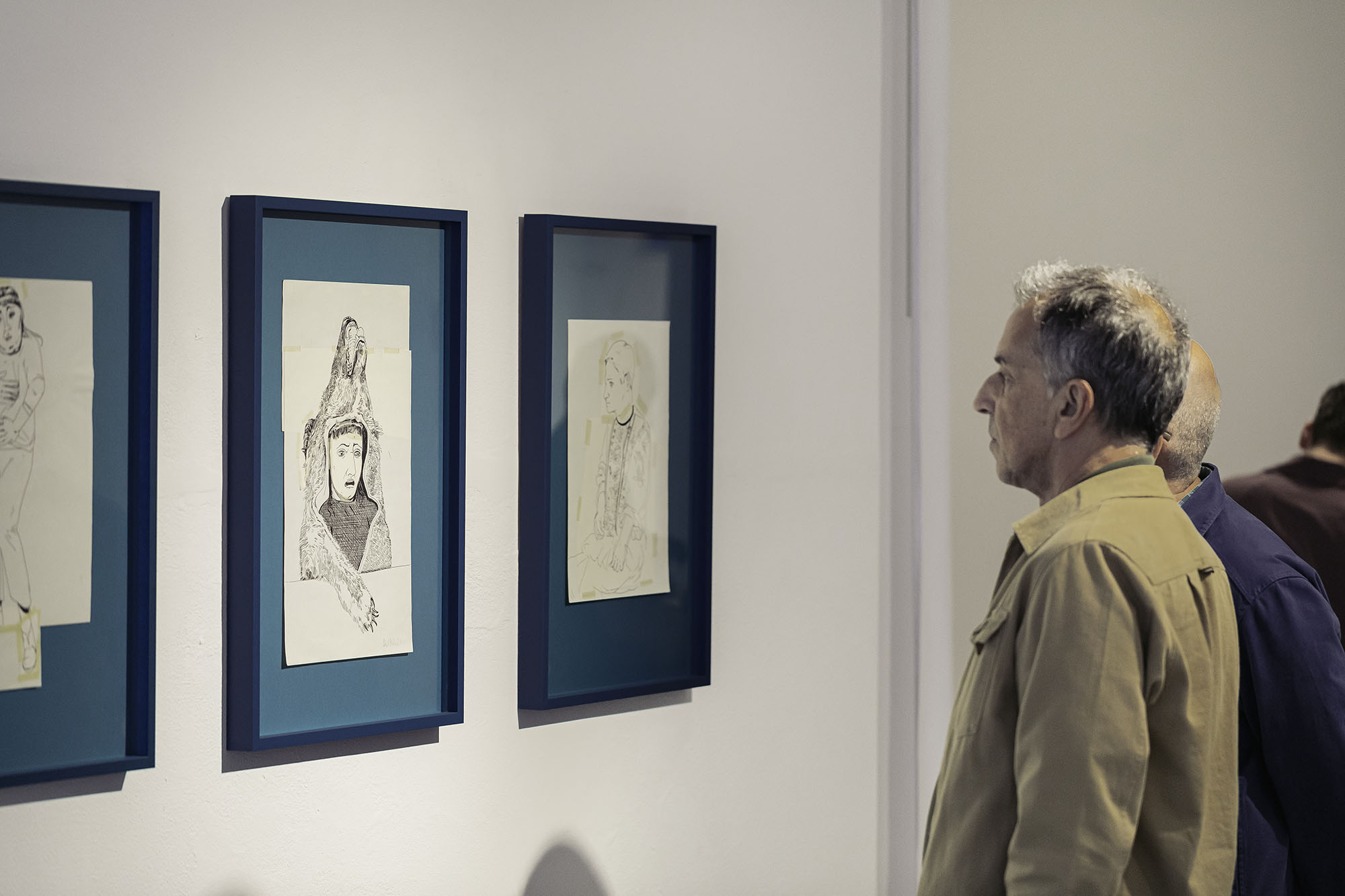
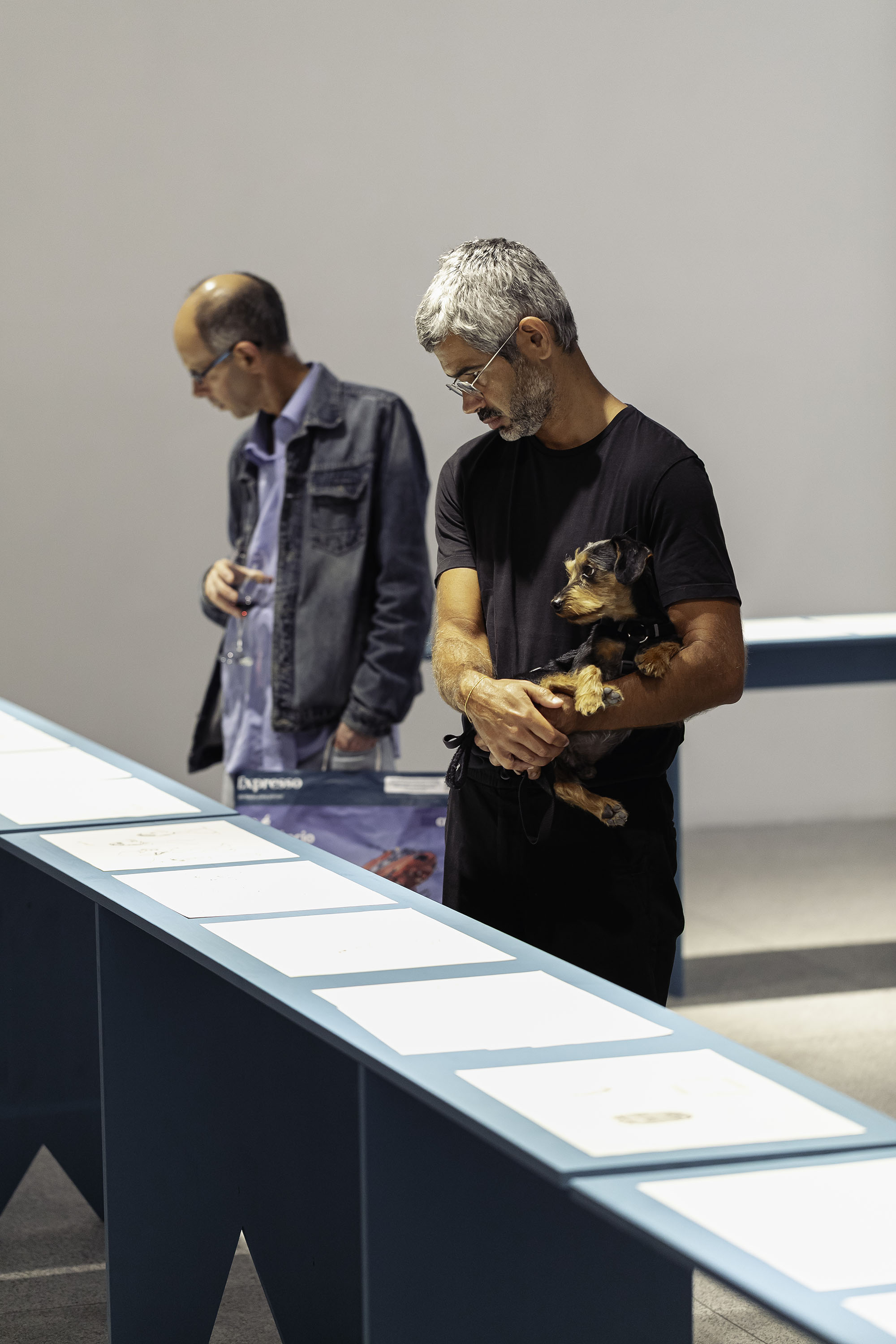
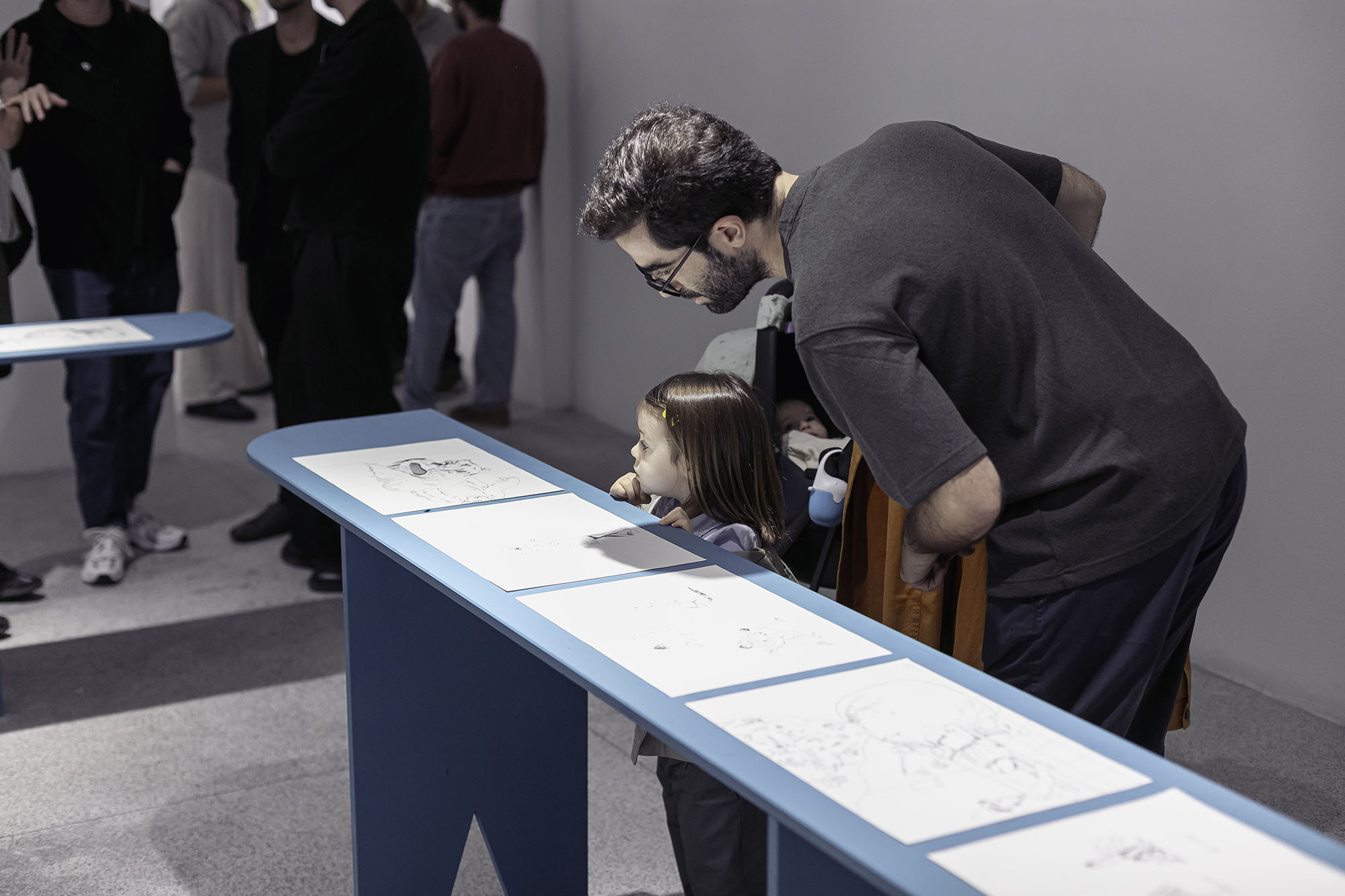
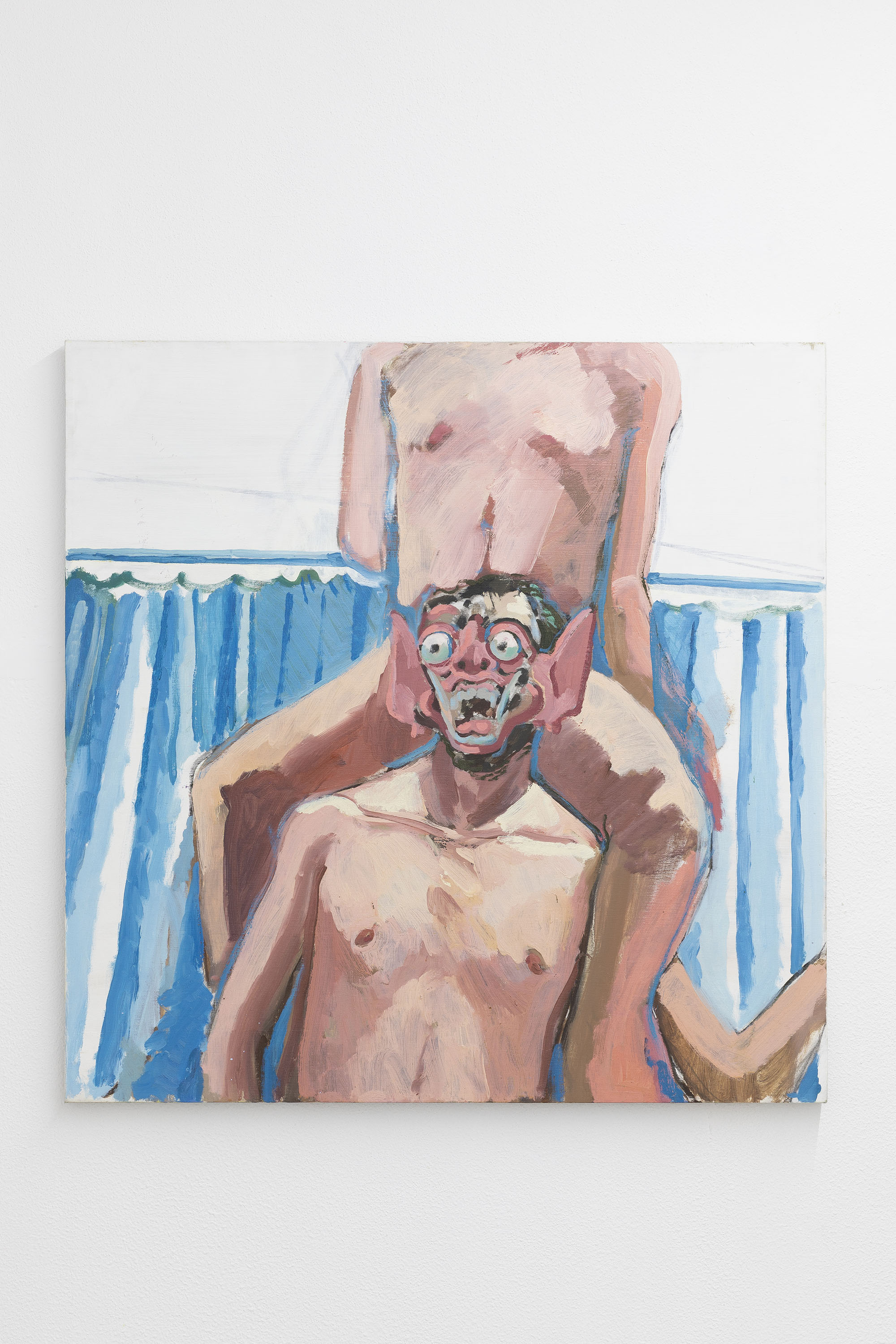
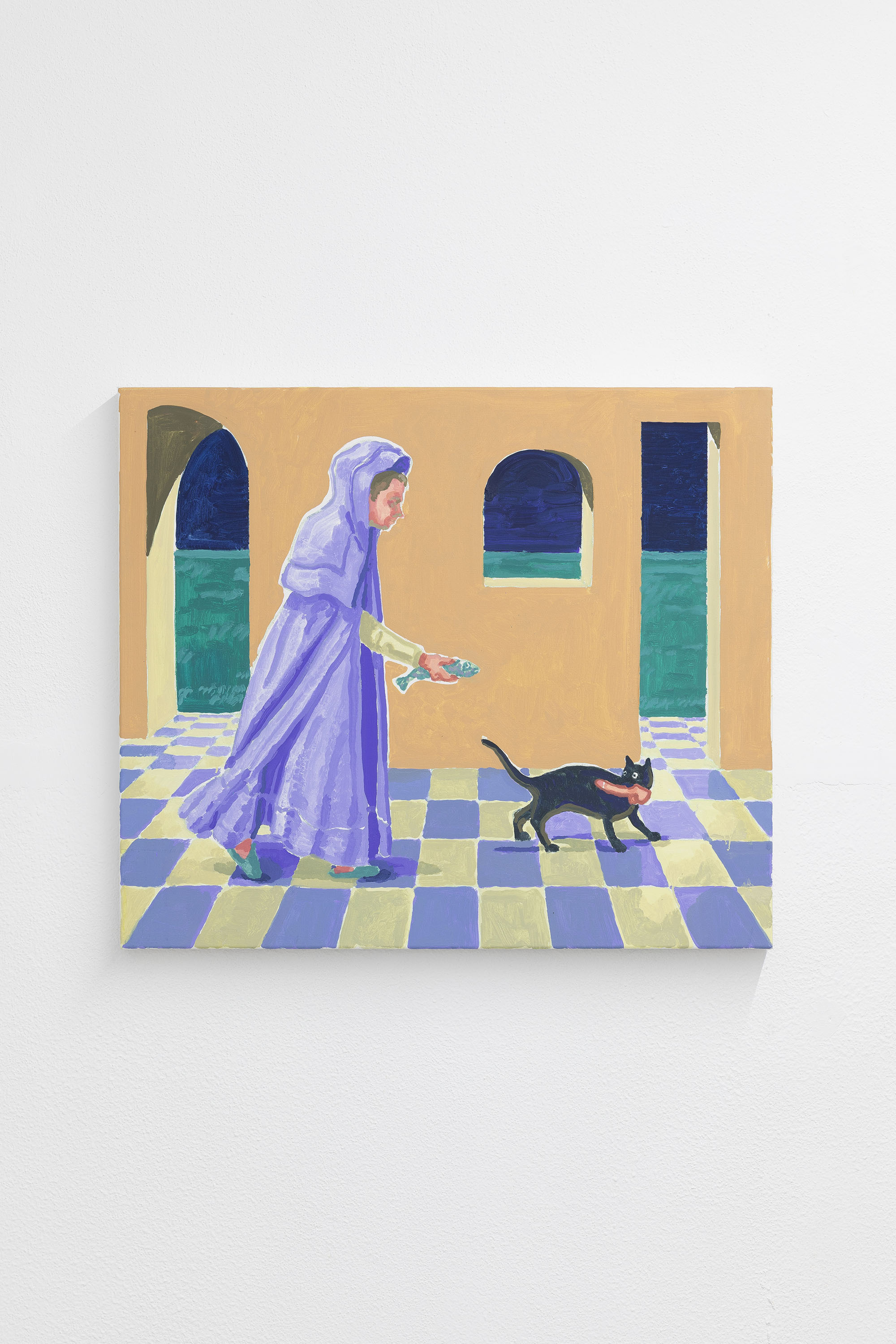
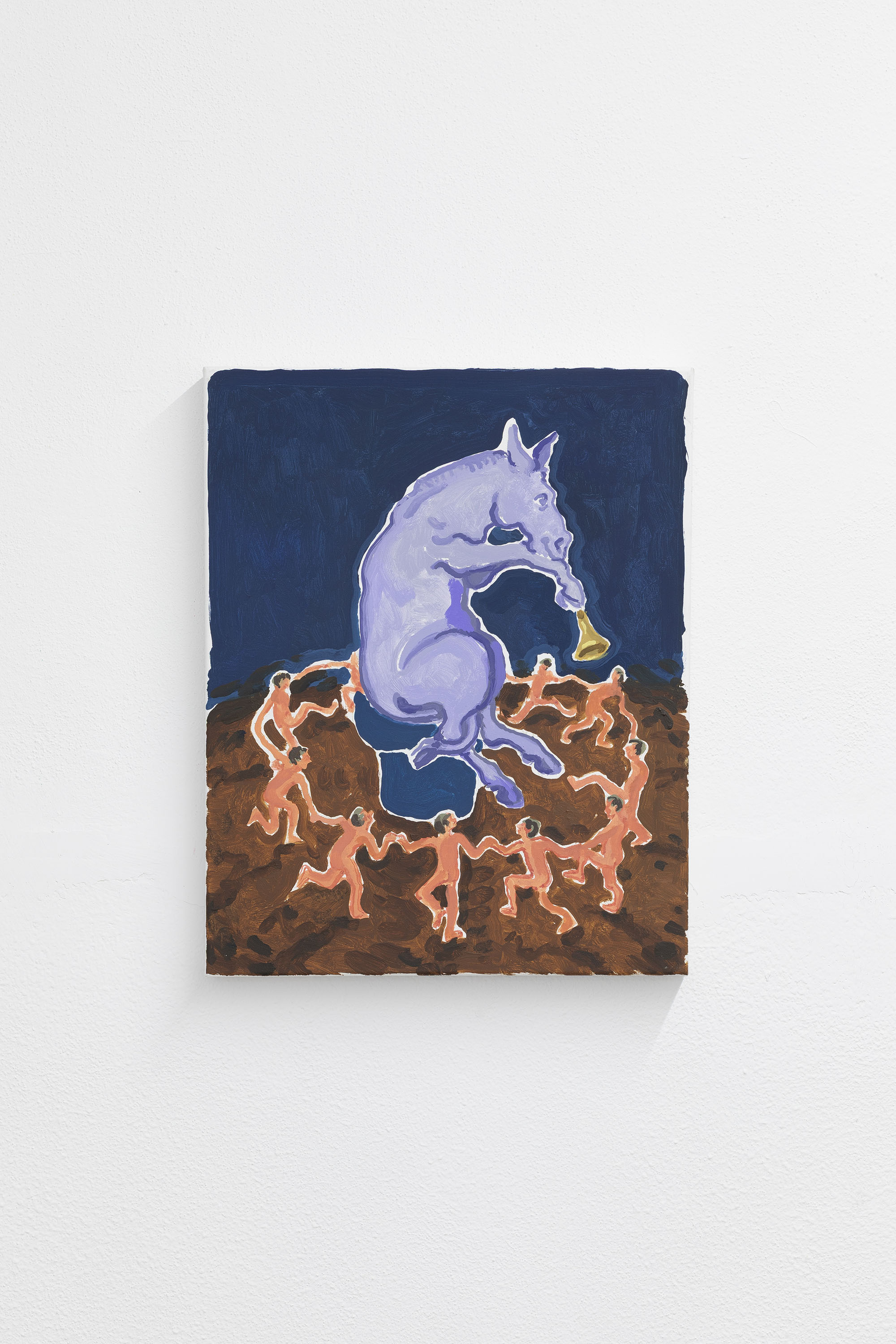
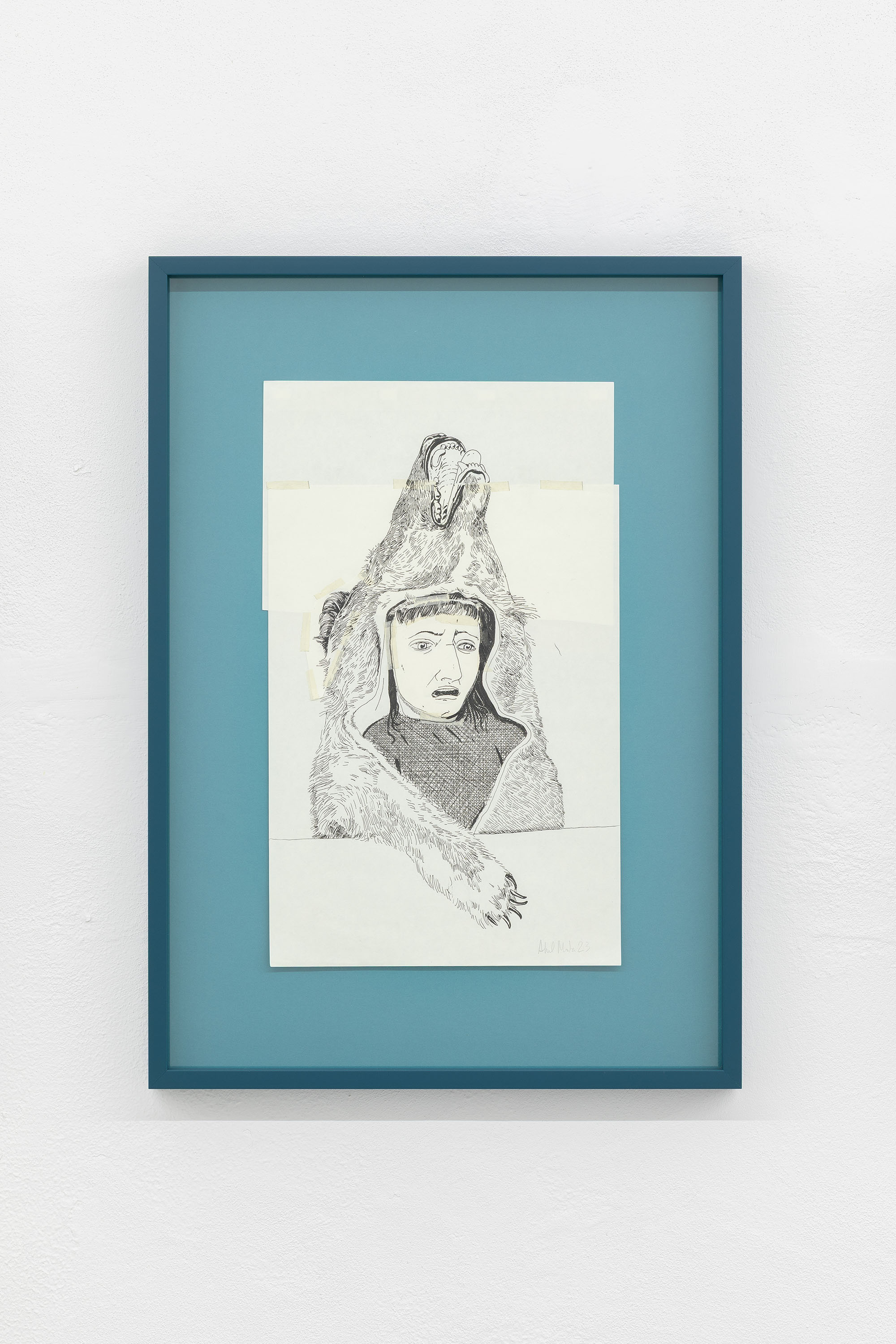
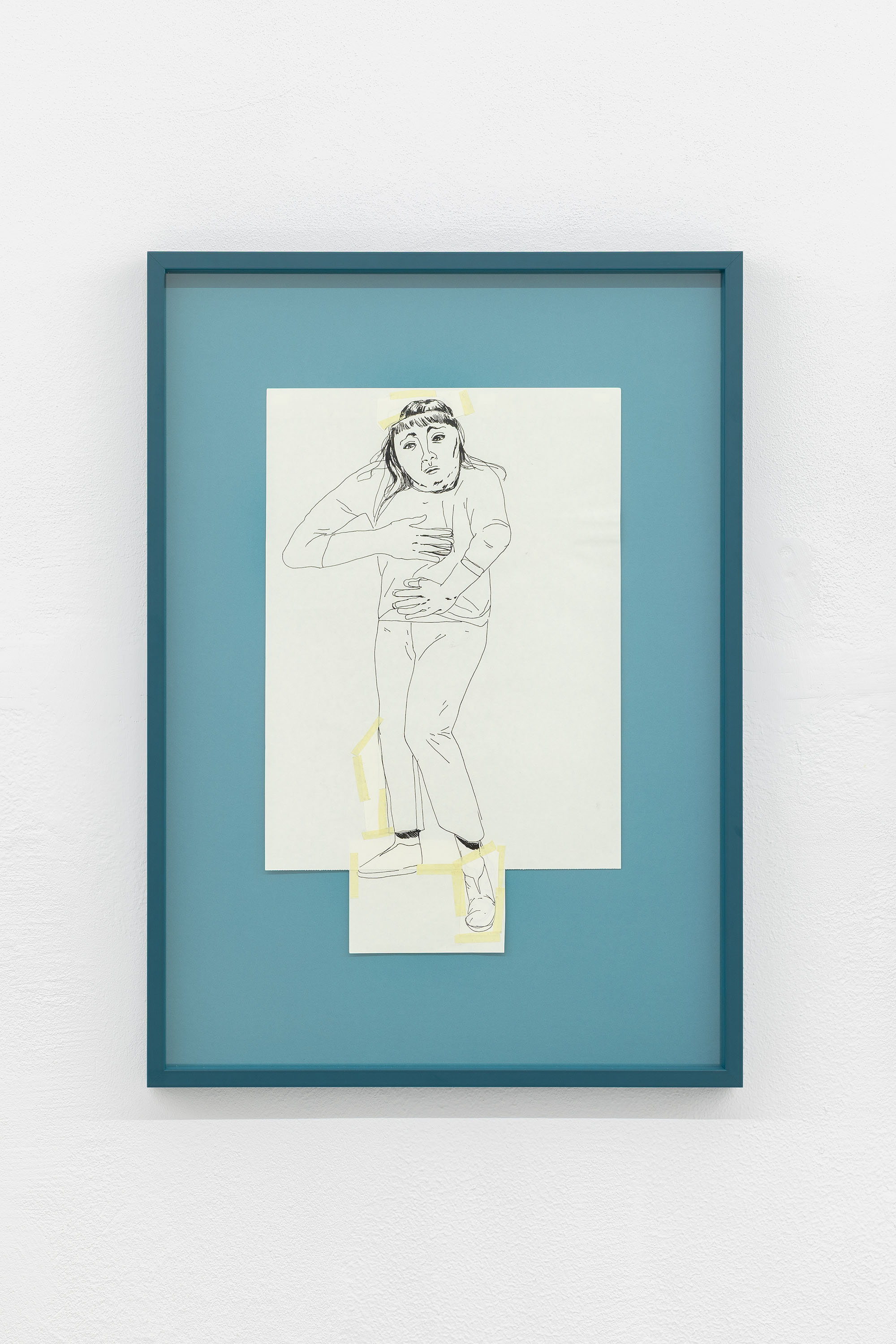
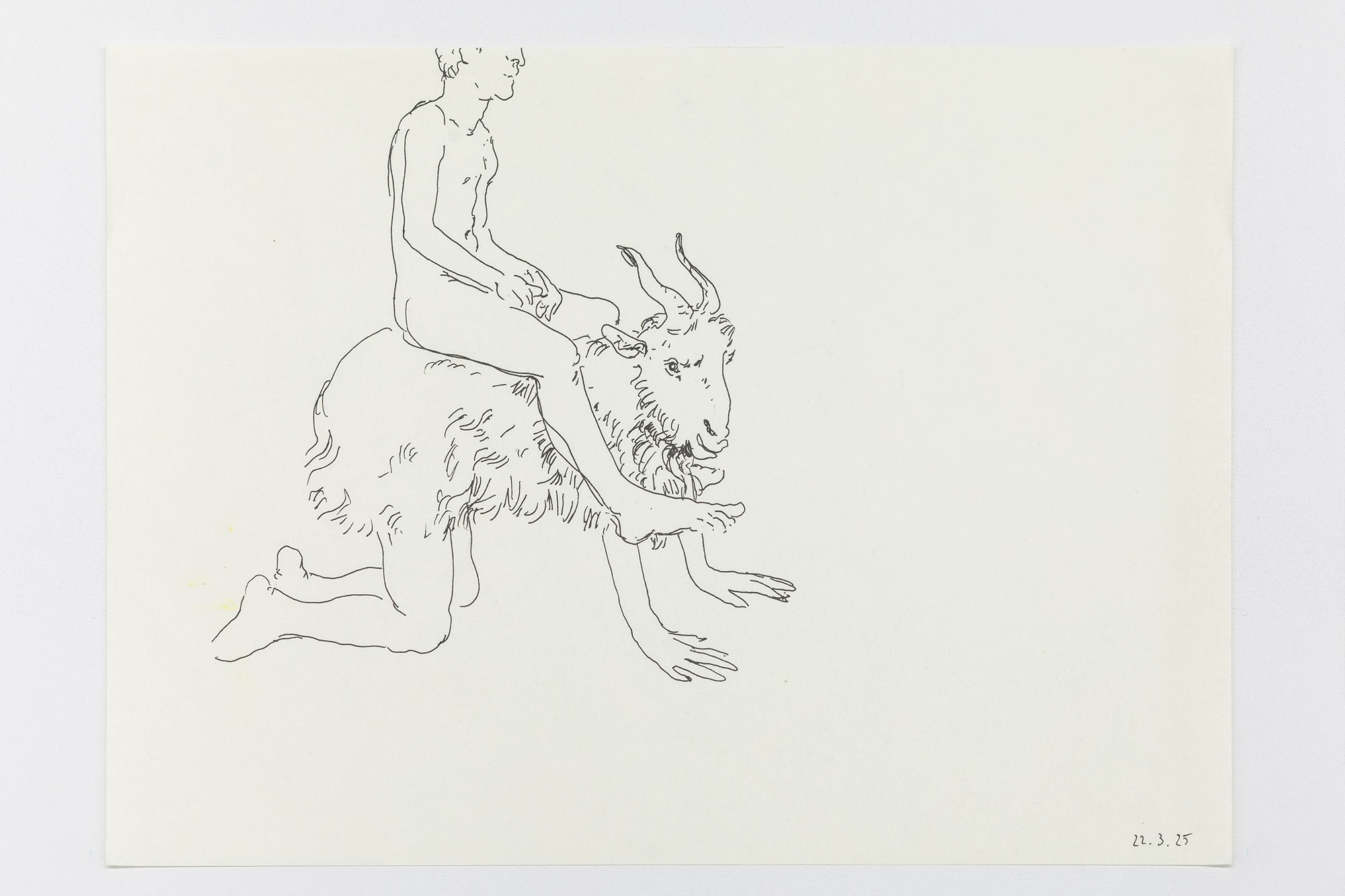
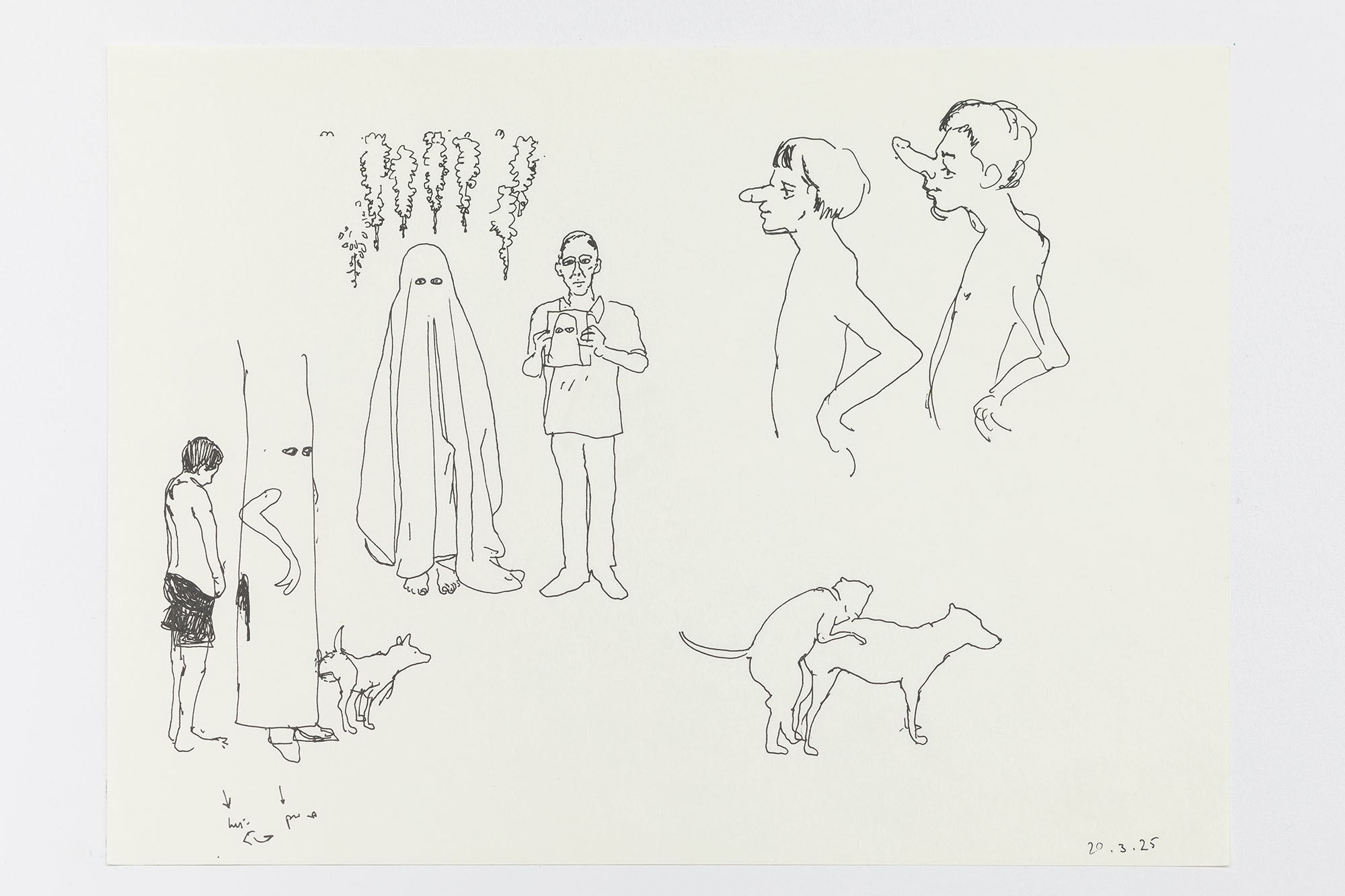
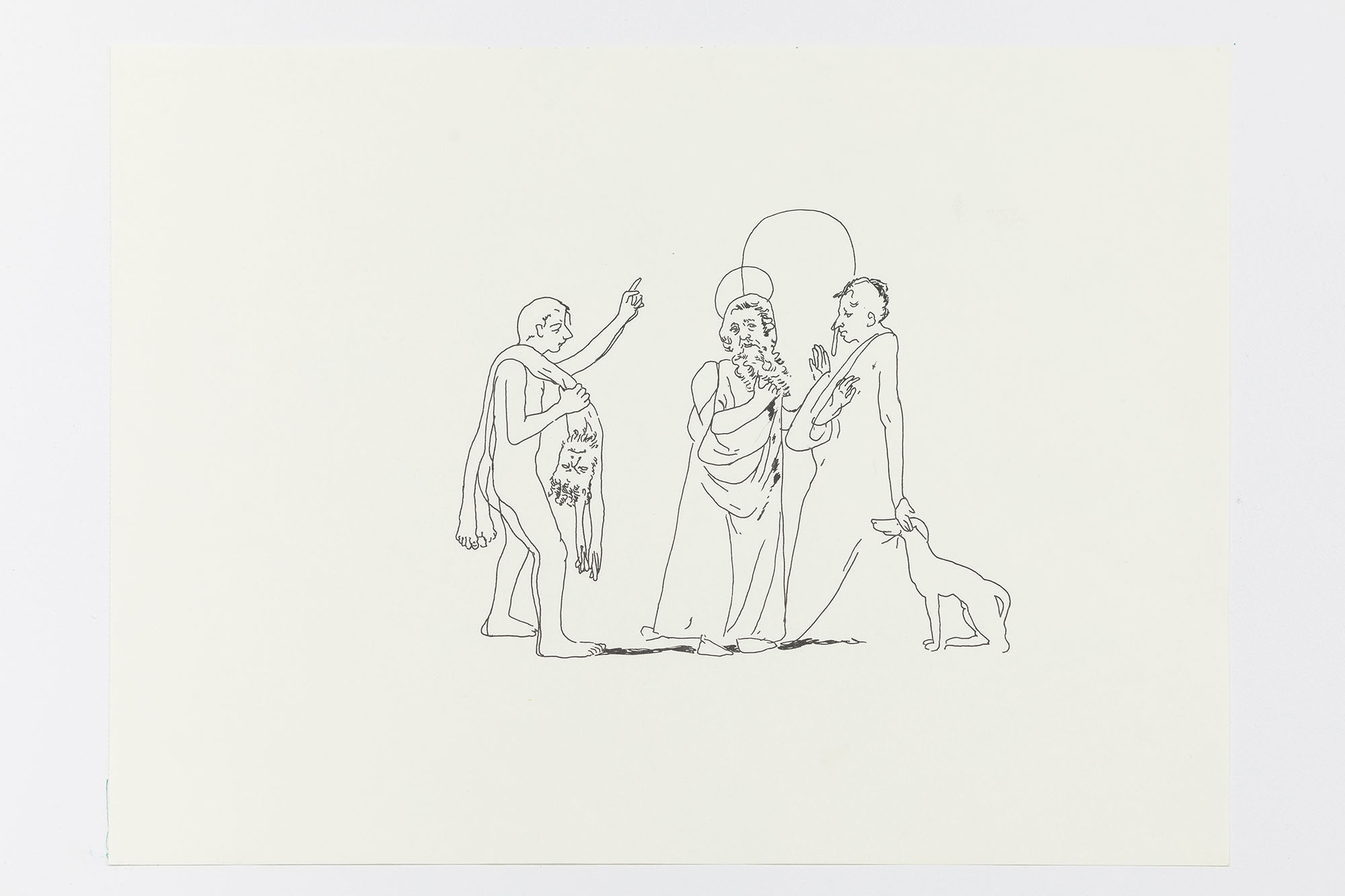
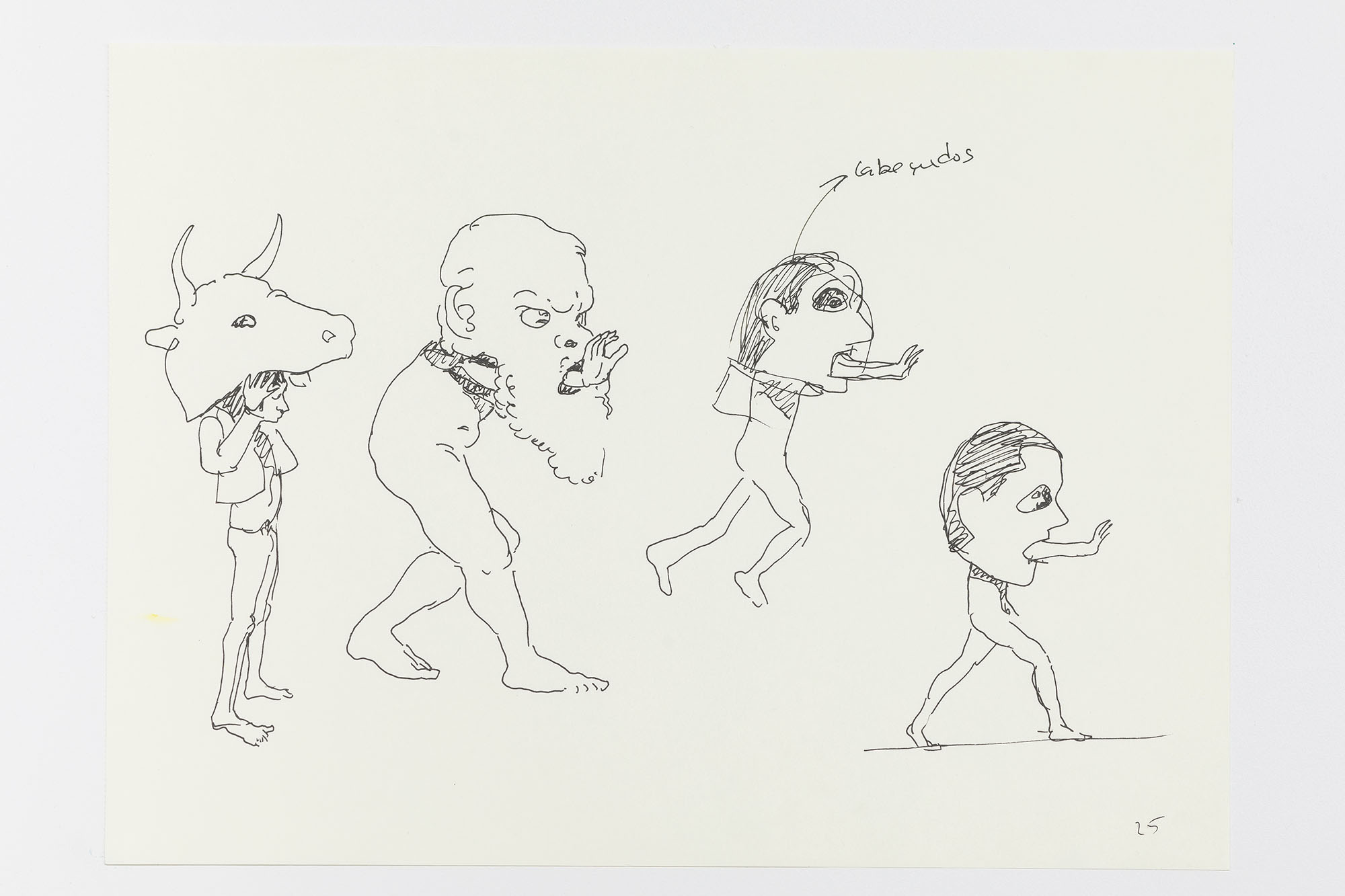
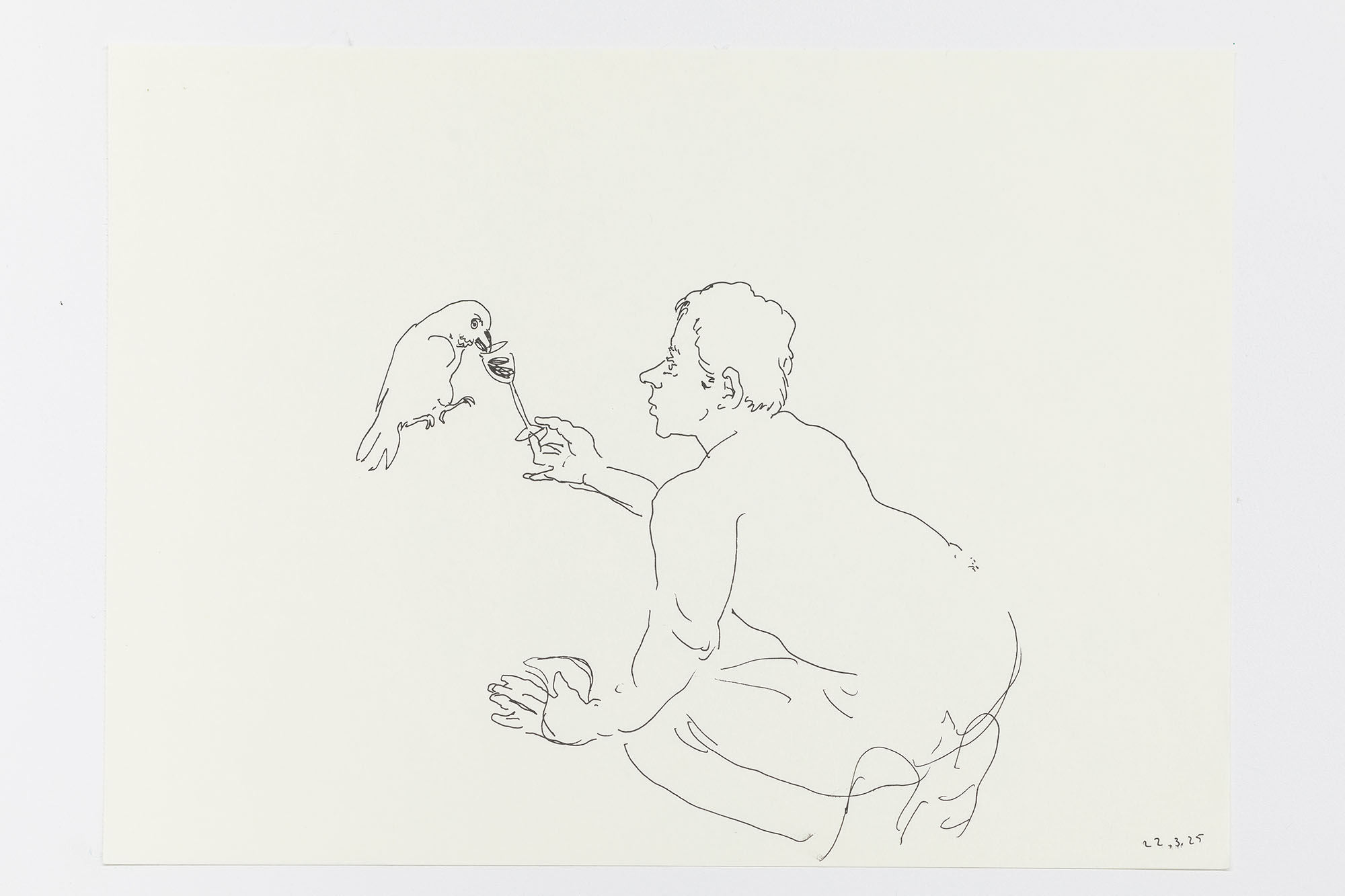
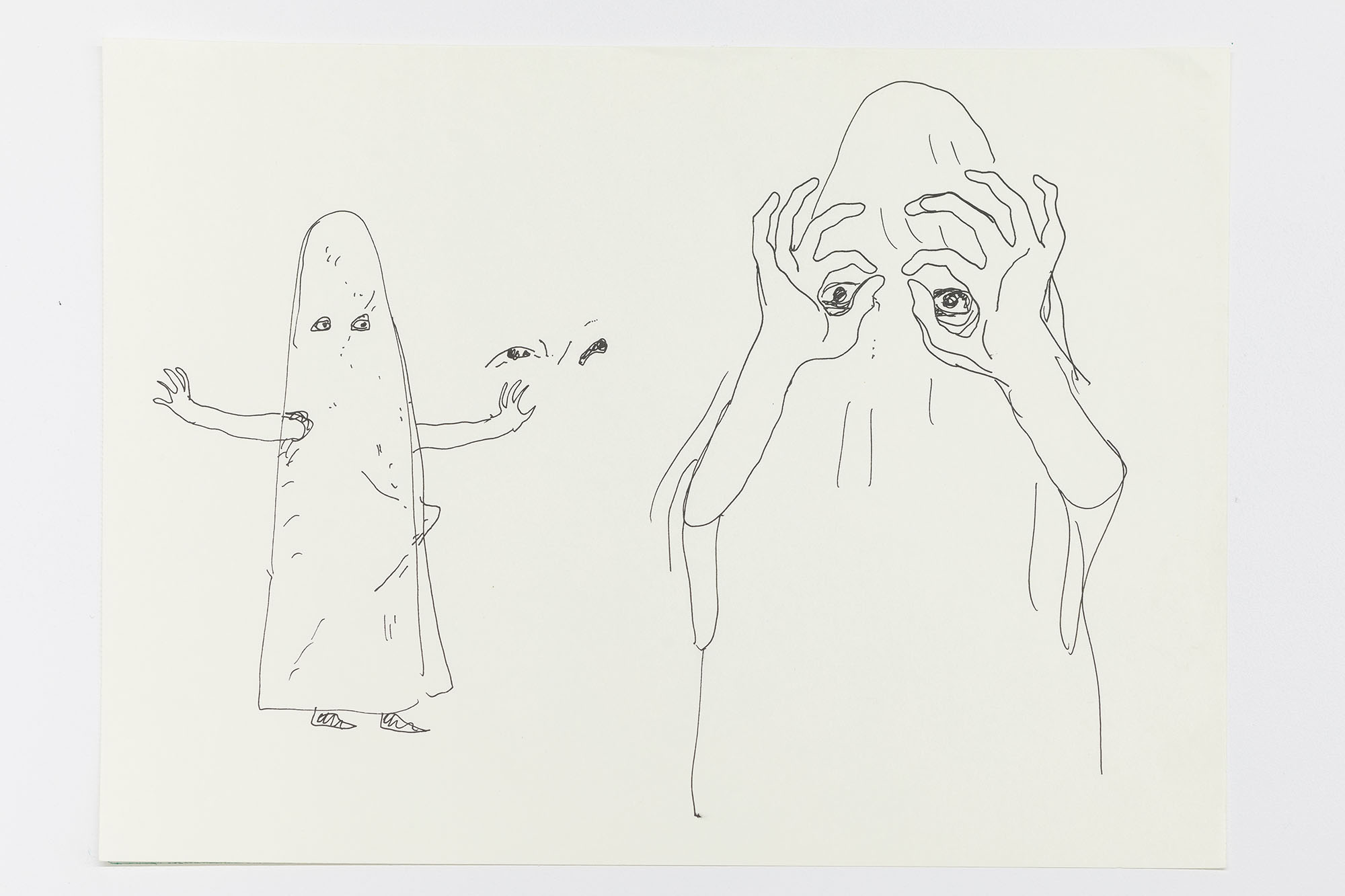
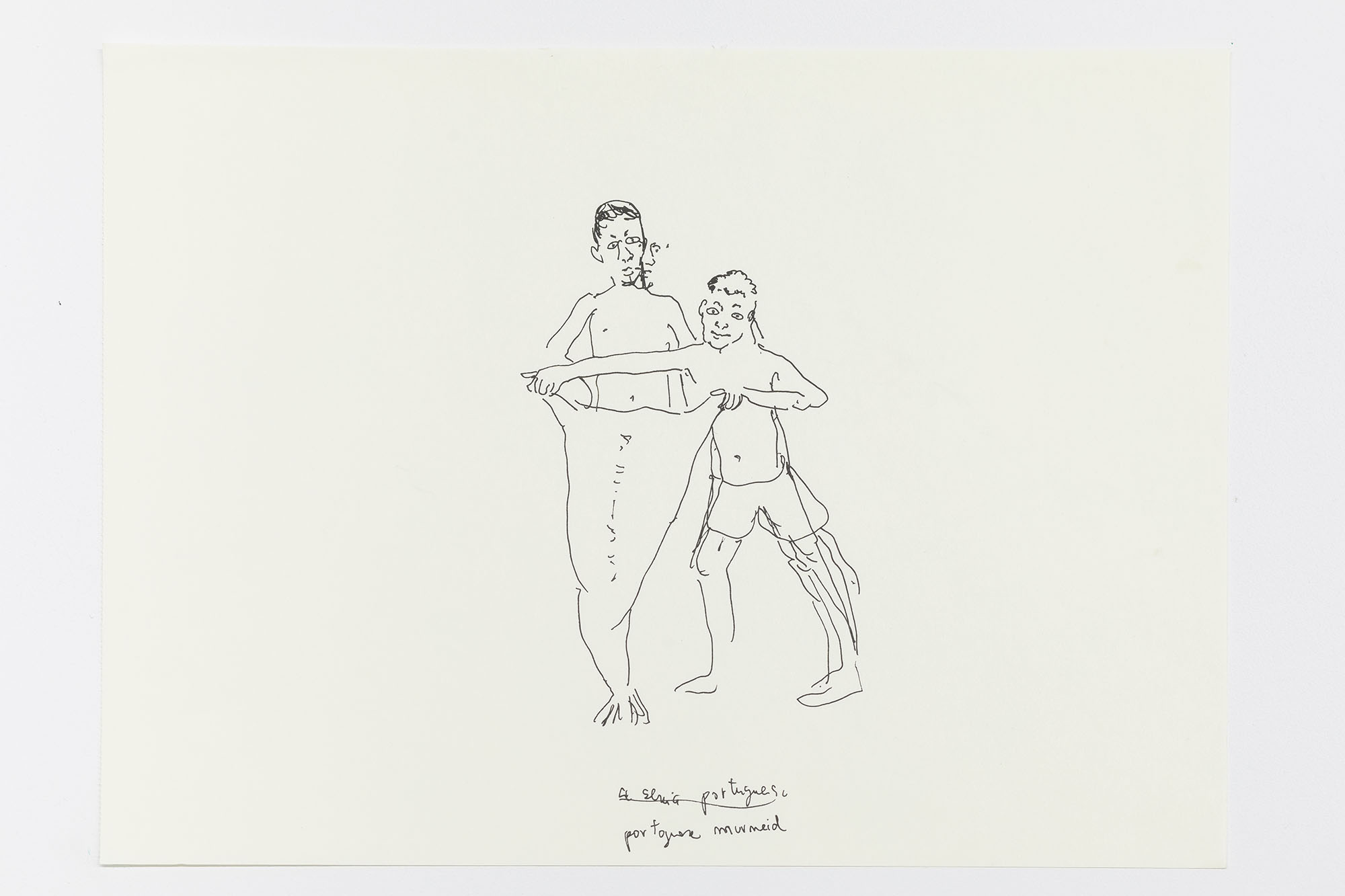
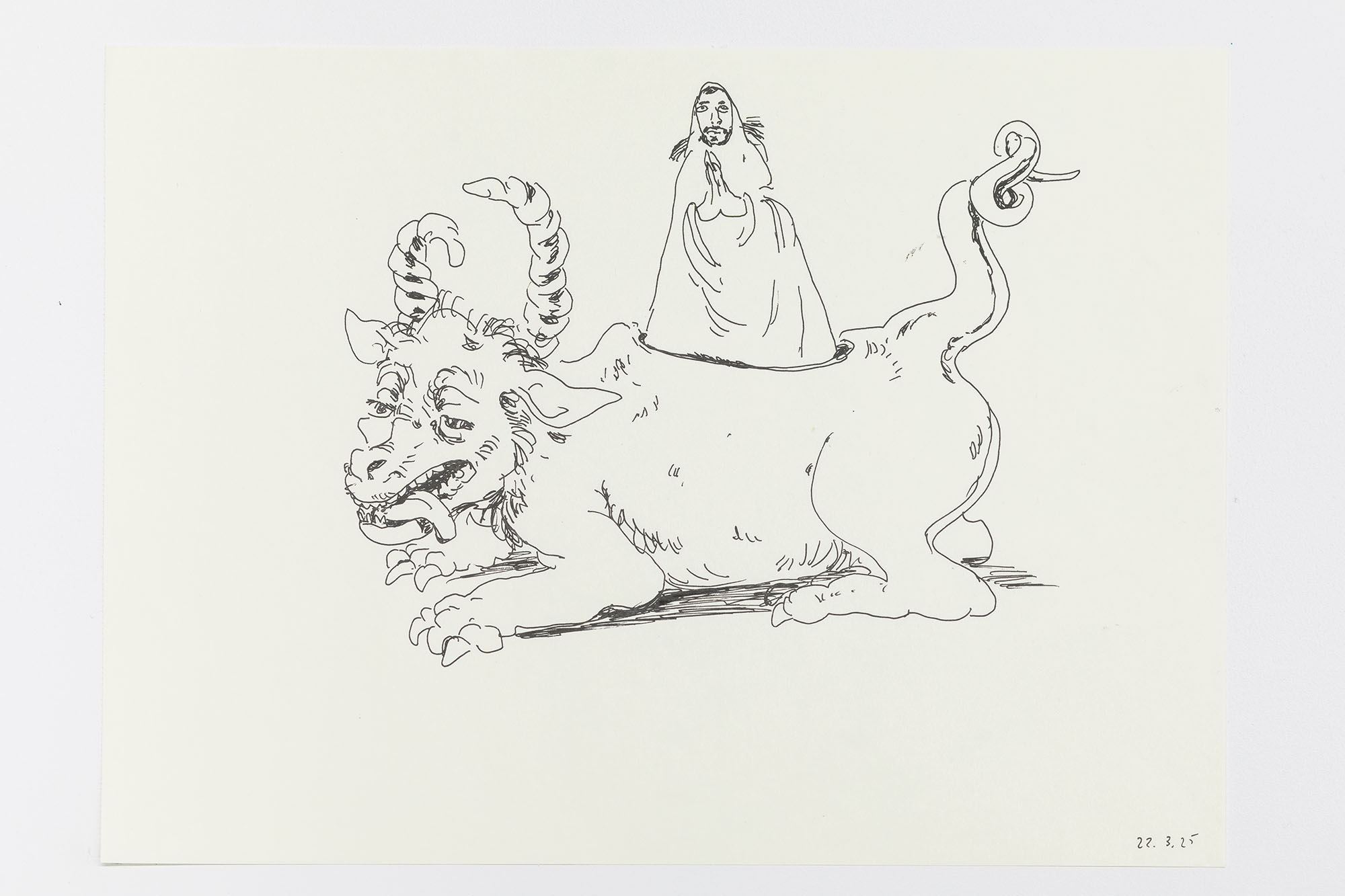
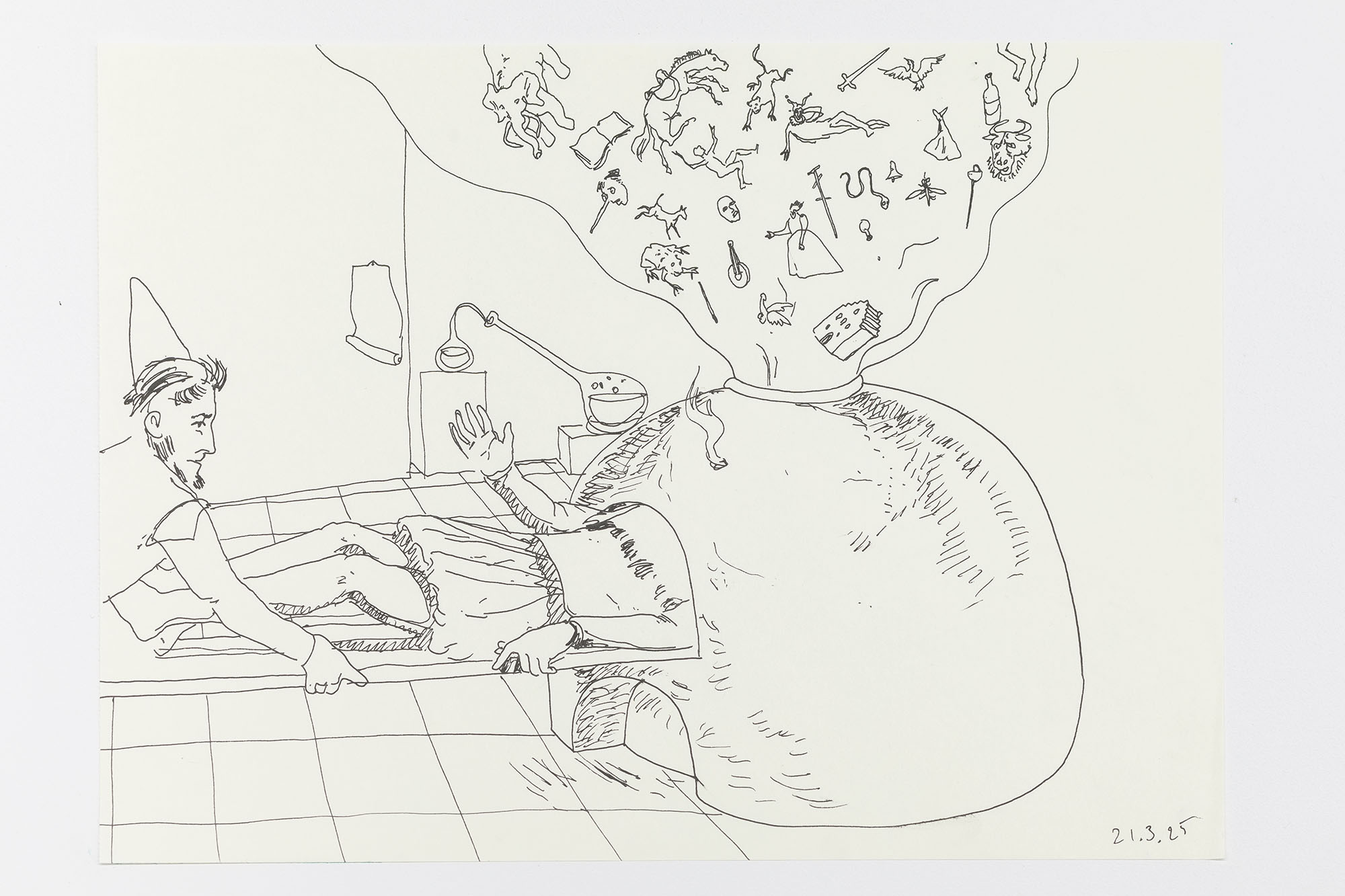
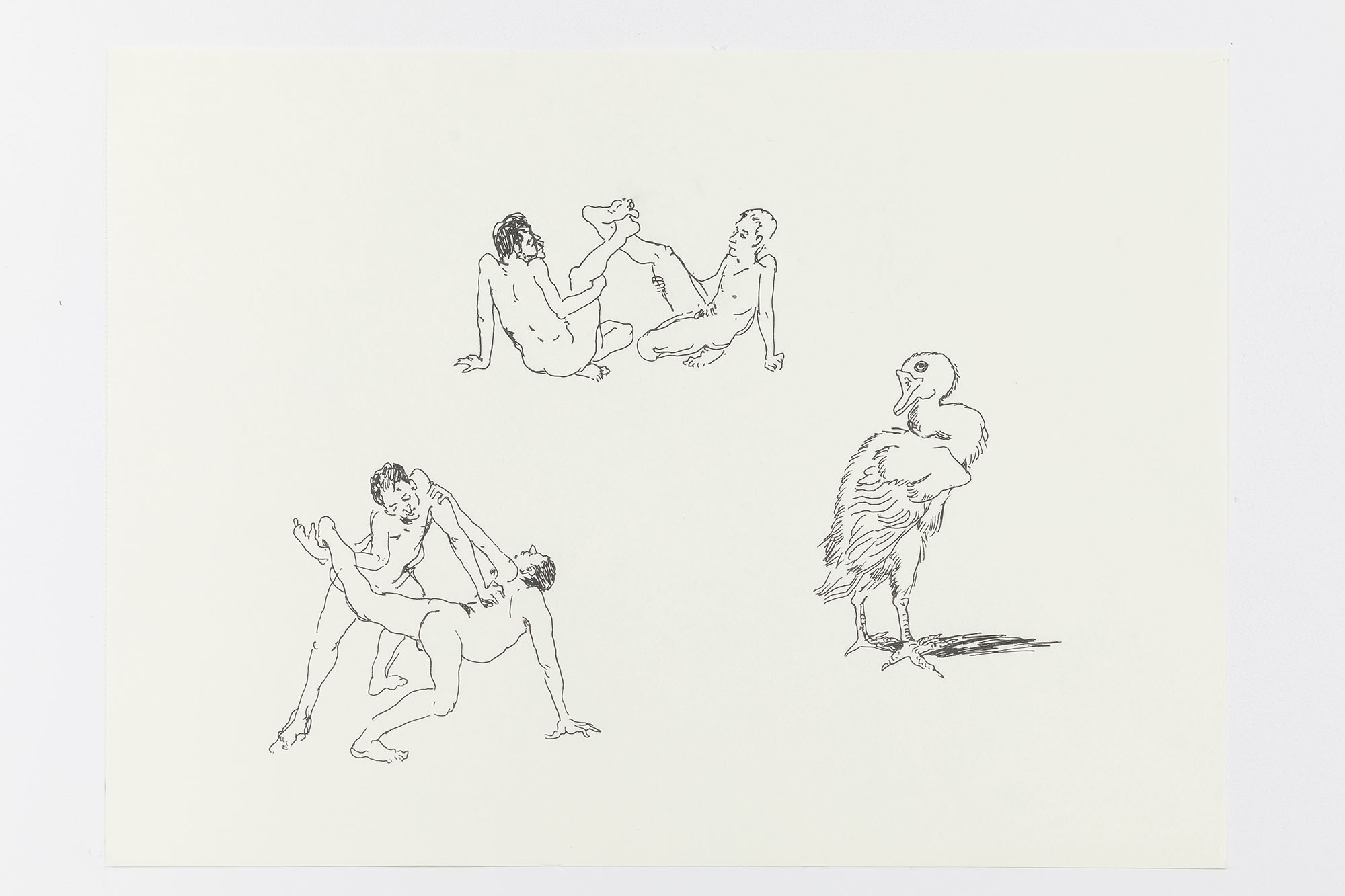
On the six tables, with twelve legs and several heads, lie various drawings. For the most part, one can sense the human desire of these characters to take on animal form, in an animistic, perhaps pagan allusion, difficult to dissociate from the carnivalesque tradition of the Caretos of Trás-os-Montes. Once a year, the Caretos “bring to the mountains” their colorful wool costumes, wear masks of leather, wood, or tin, and make everything rattle in a poem to fertility. Abel Mota’s characters, his nymphs, in turn, wear skins, furs, and animal gestures to cross the threshold of innocence, among vernacular games, blood pacts, and promises of alchemy, a dreamlike universe emerges, almost always rooted in popular culture.
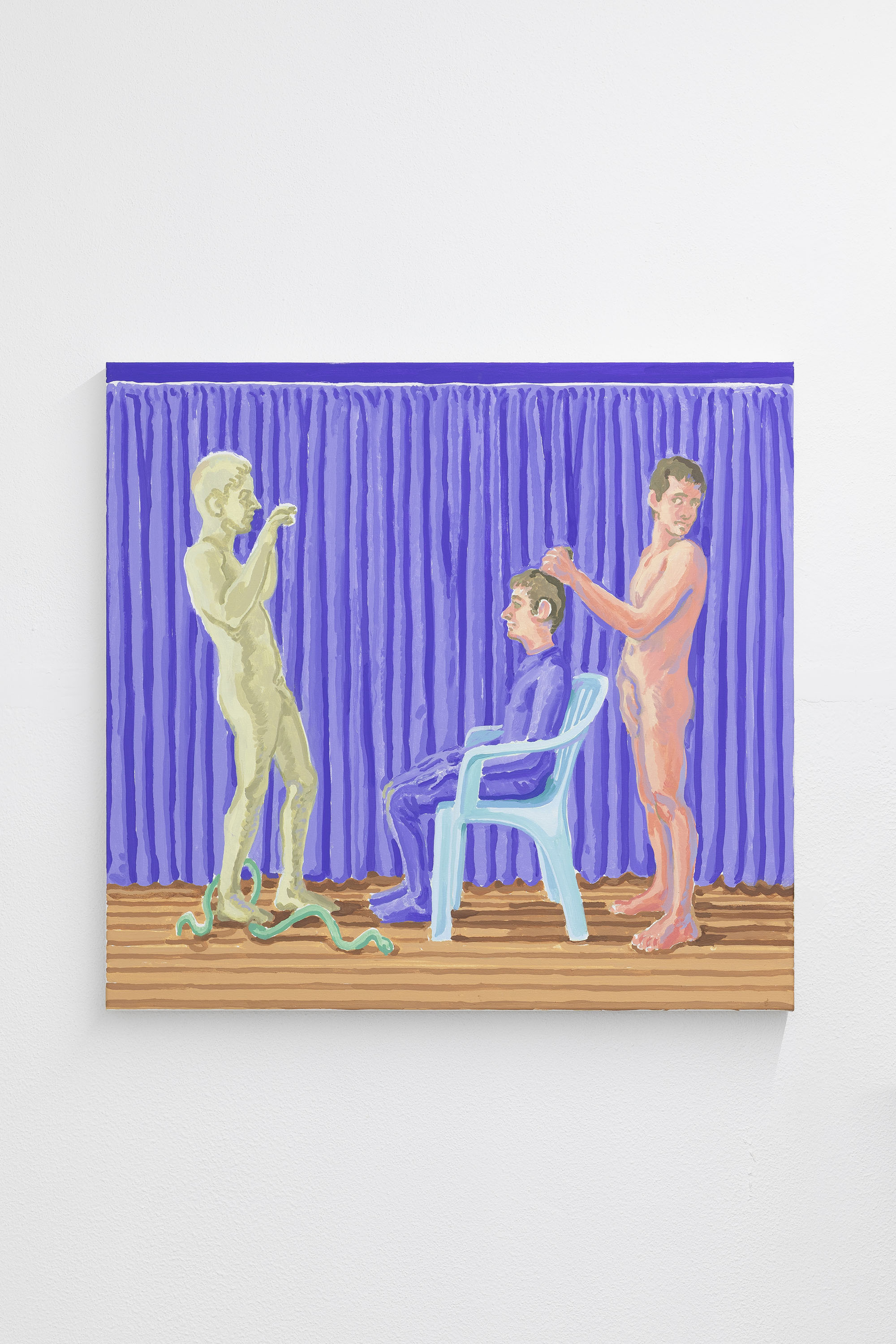
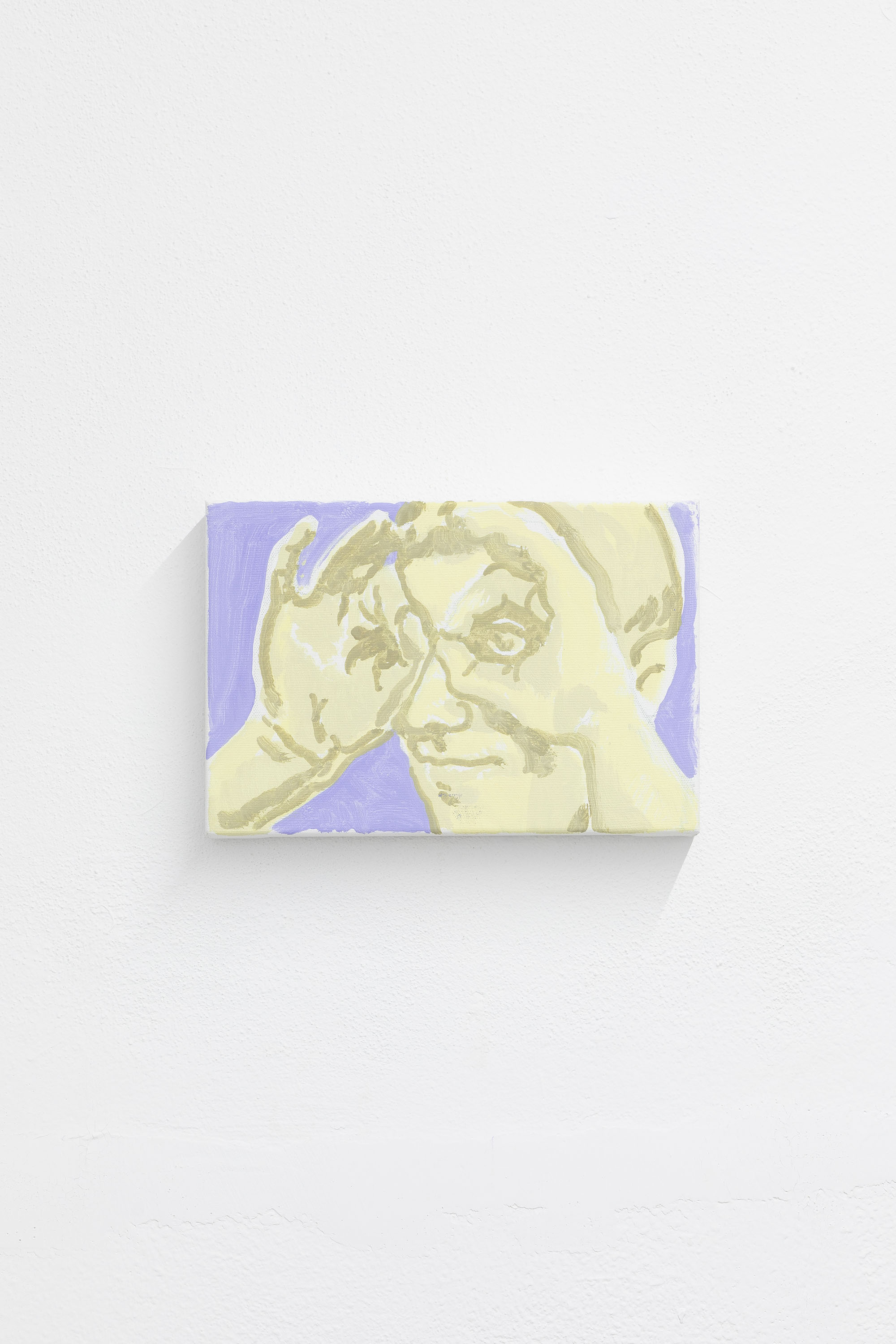
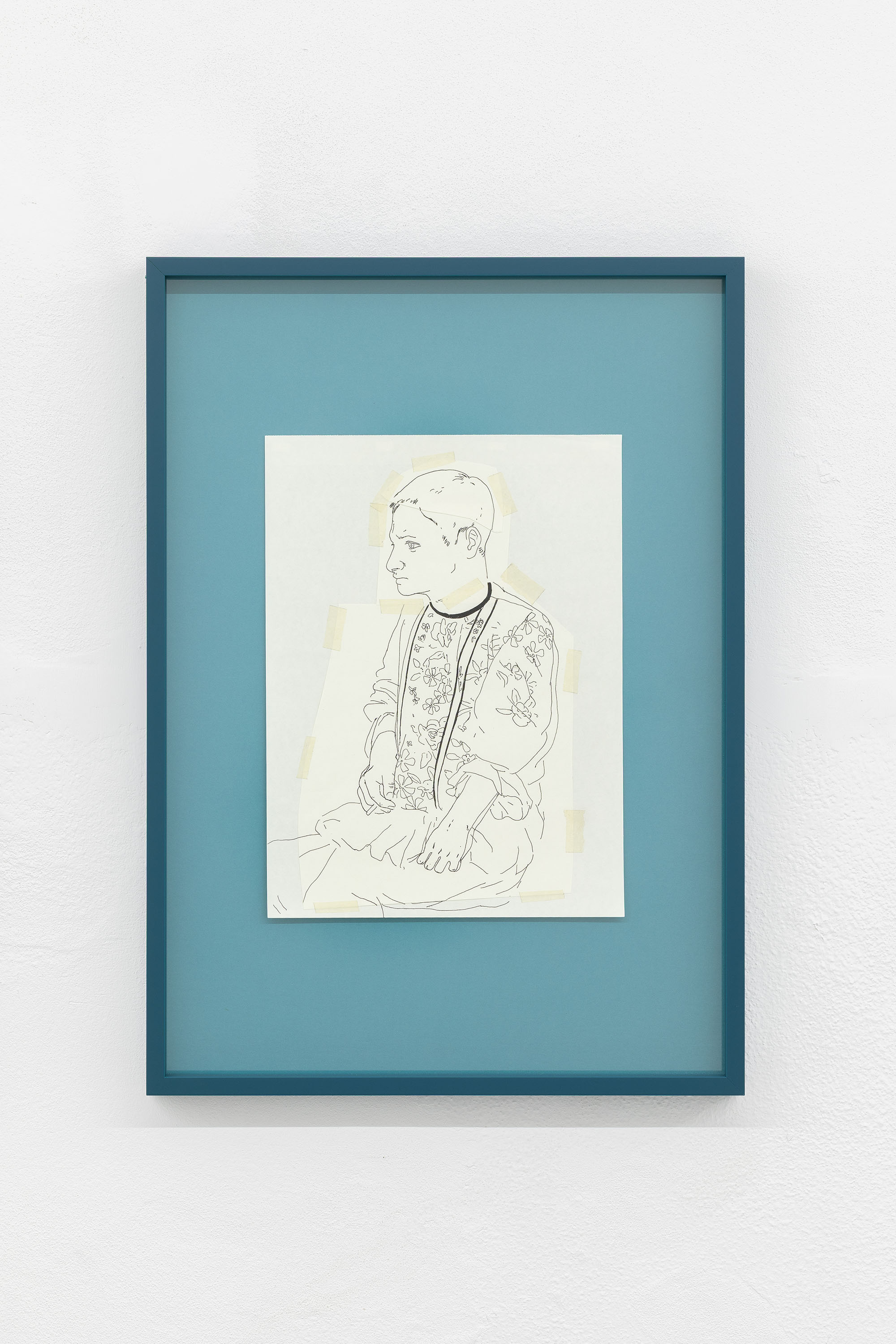
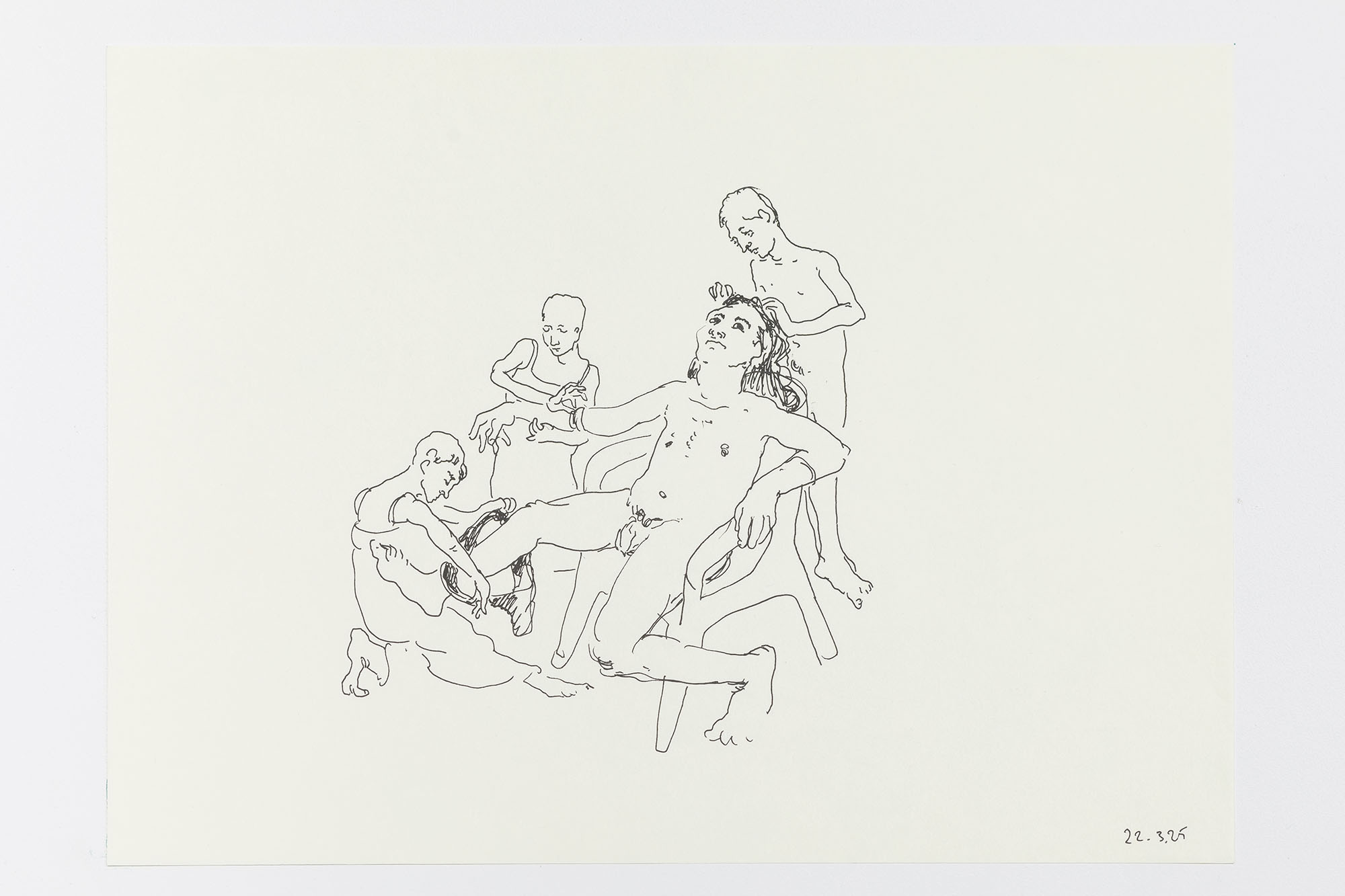
The drawings, like the characters themselves, appear nude, pale even, because in truth, before becoming paintings, these figures are fragments of suspended plots, or in cinematic language, they are frames of a storyboard yet to be filmed. Collages from here and there, cut both from the library and from the “metaverse,” form the cloud of references hovering above Abel Mota’s head.
This is what Six-Headed Beast is about: a worm that has invaded the gallery, highlighting the importance of collage, and a certain pastiche, in the artist’s creative process. It is not merely a random association of stories or images, but rather the collage of figures upon backgrounds that seduces the artist and deceives, in the sense of illusionism, the viewer, since what once was, is no longer, and has now become something else.
For Abel Mota, the provenance of references is diverse: just as captivating are the screenshot images piled in smartphone folders, as are engravings, oral history, or quick sketches from daily life.
Aware of this appropriation, the artist sees in the deconstruction (and decontextualization) of images the basis of a narrative, as if framing, shot by shot, a new story (from others) whose theme is possibility(ies) that shrink the impossible. Thus, every line, dot, or weave functions as a stage direction: the outline of a figure is also its sketch, the gesture or shadow of an action that may or may not take place
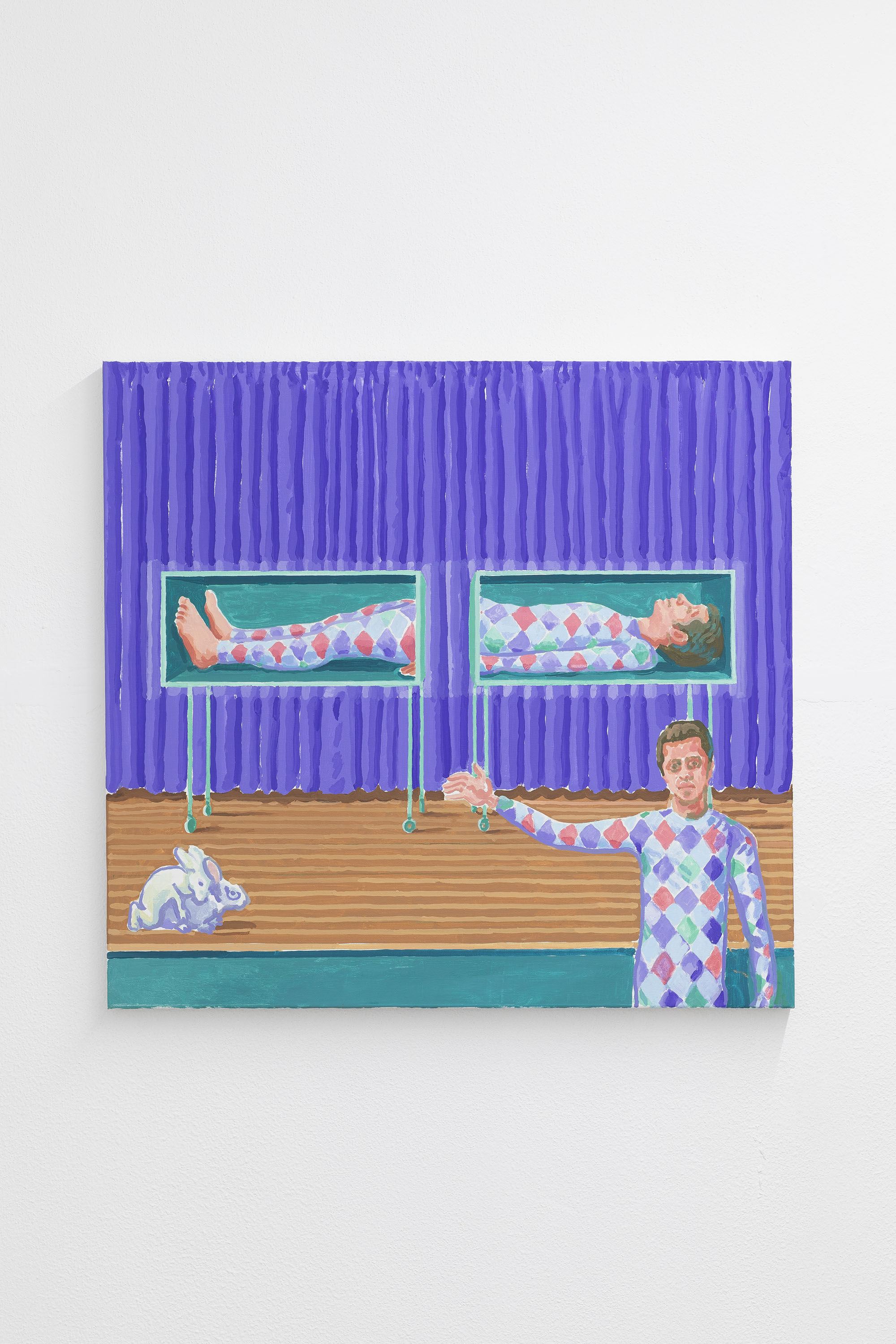
For all these reasons, paper is a provisional territory for these beasts, still without definitive commitment to the canvas. It is a white threshold, an entry into a space of freedom limited to 29.7x42cm (which at times unfolds, revealing the artist’s fascination with large-scale works); for these creatures, it is a limbo, and for the viewer, pure entertainment. A burlesque theater where figures may change clothes or bodies at any instant, even making us lose our heads, or another limb. Metamorphoses, improbable encounters, more or less esoteric, more or less metaphysical, more or less magical, between human, environment, and animal, trace the interspecies imagination of Abel Mota. In the end, all comes together, with a sense of humor, in drawings, perhaps in a painting.
And suppose we recognize in Abel Mota’s painting the chromatic exuberance, saturated like the Fauves, with echoes of David Hockney. In that case, his seemingly minimal drawings are simple, though never devoid of baroque qualities. Let skeptics of “once upon a time” or “tell me how it was” be warned: these narratives are not children’s tales, nor do they contain moral lessons. They carry as much of the innocence of young boys delighting in games of imagination and desire, as they reveal to us that anything can happen, so long as it is believable to the eye.
Text for the exhibition by the curator Frederico Vicente
Exhibition Views
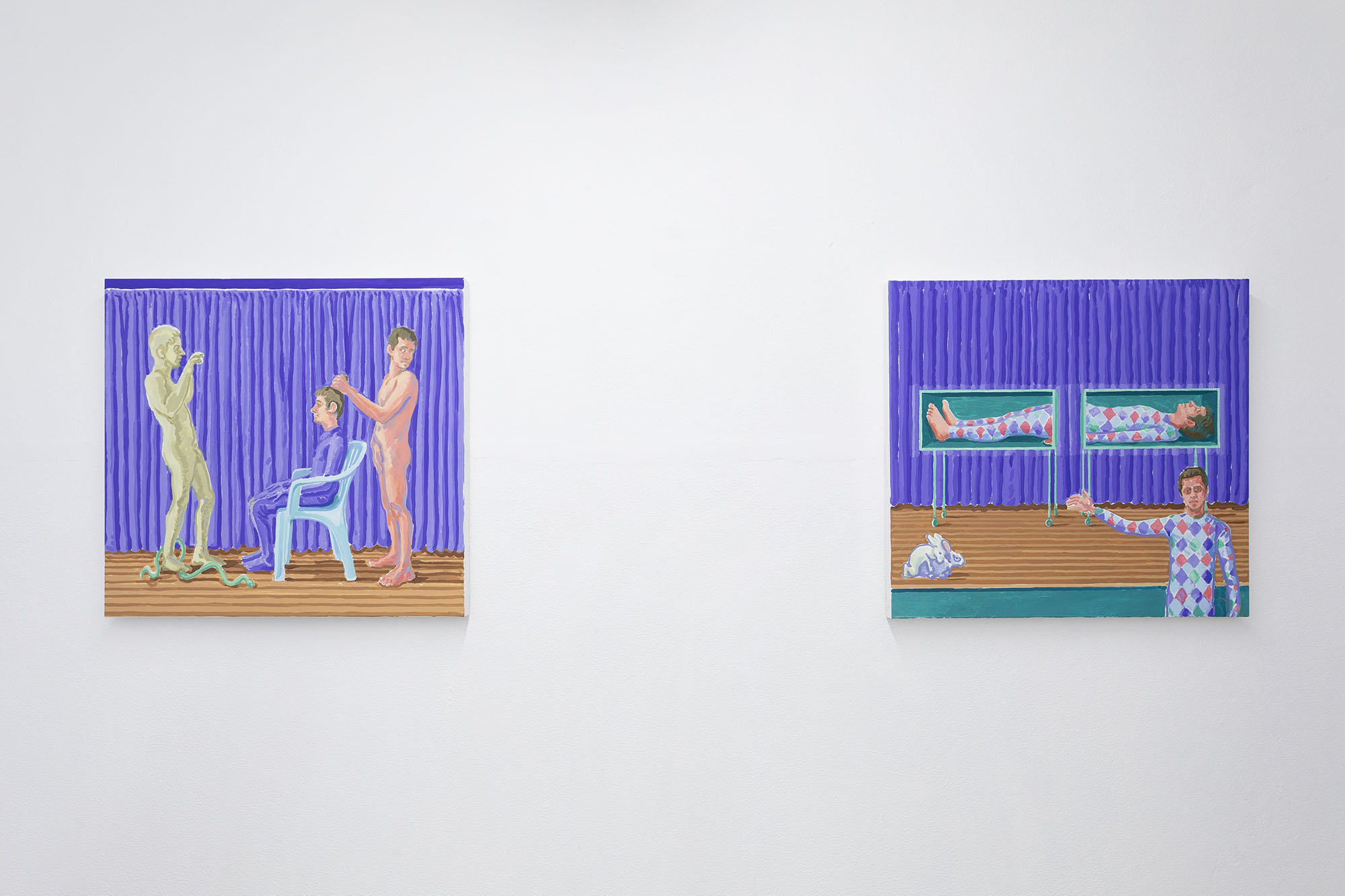
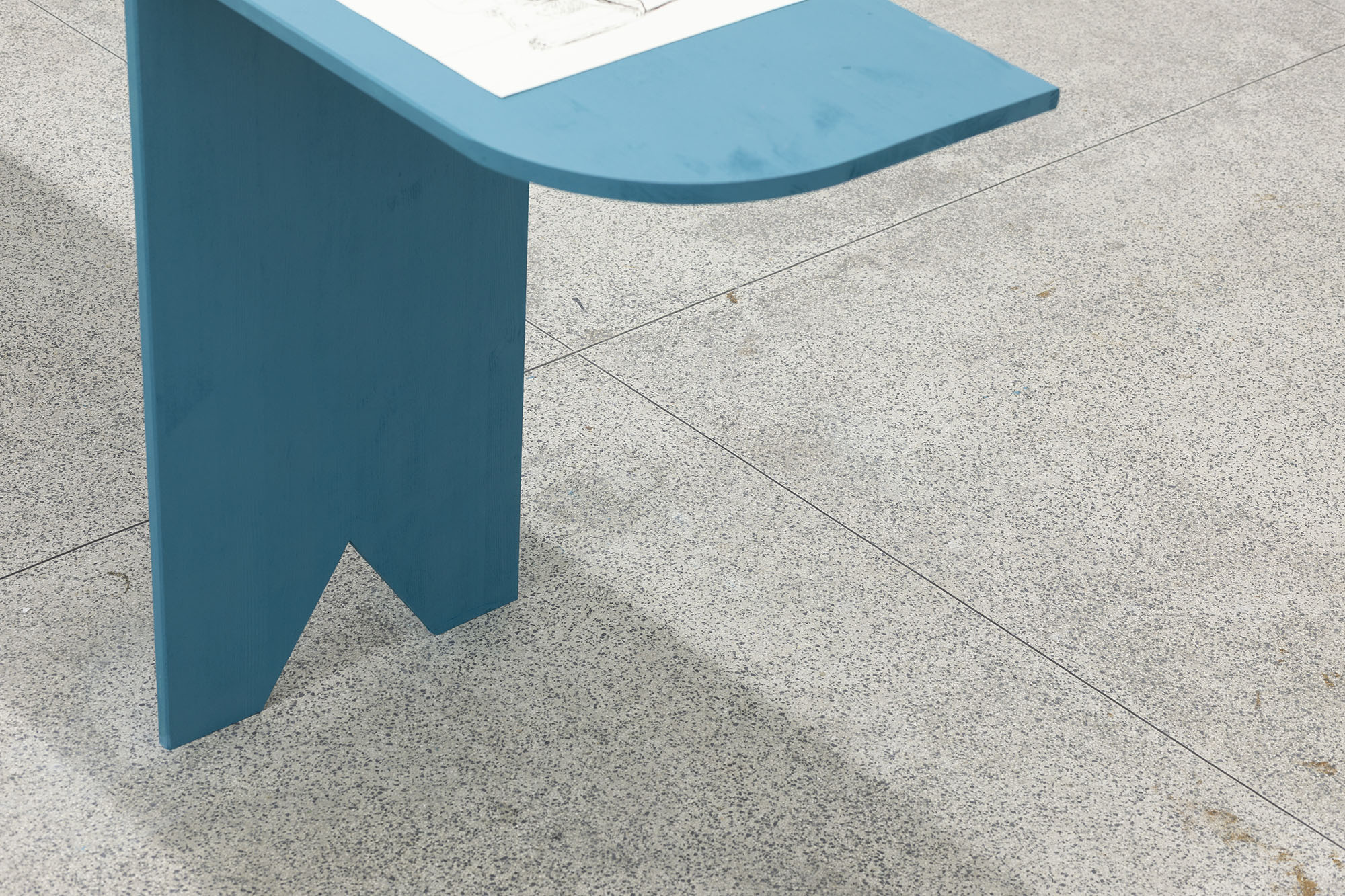
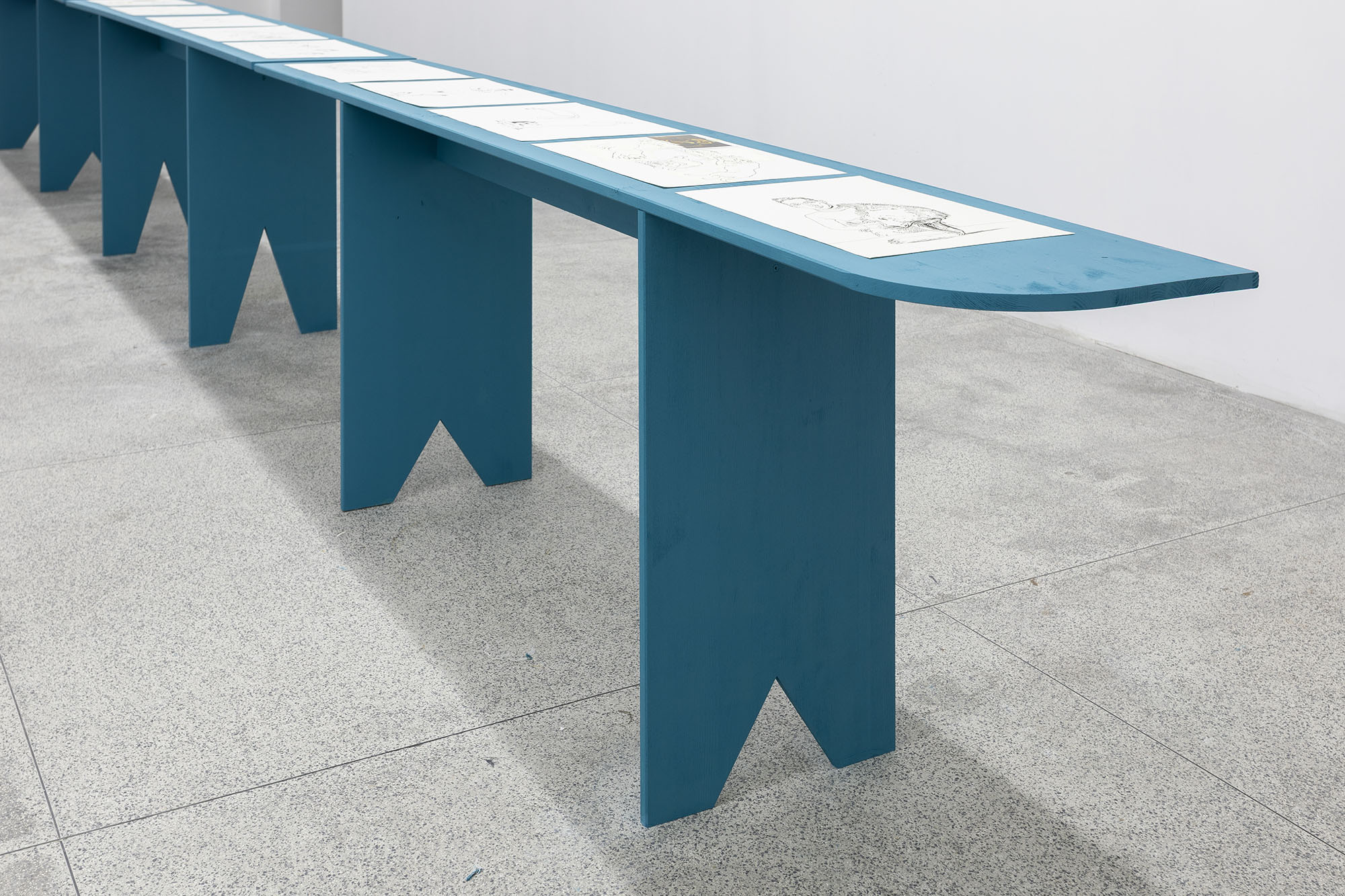
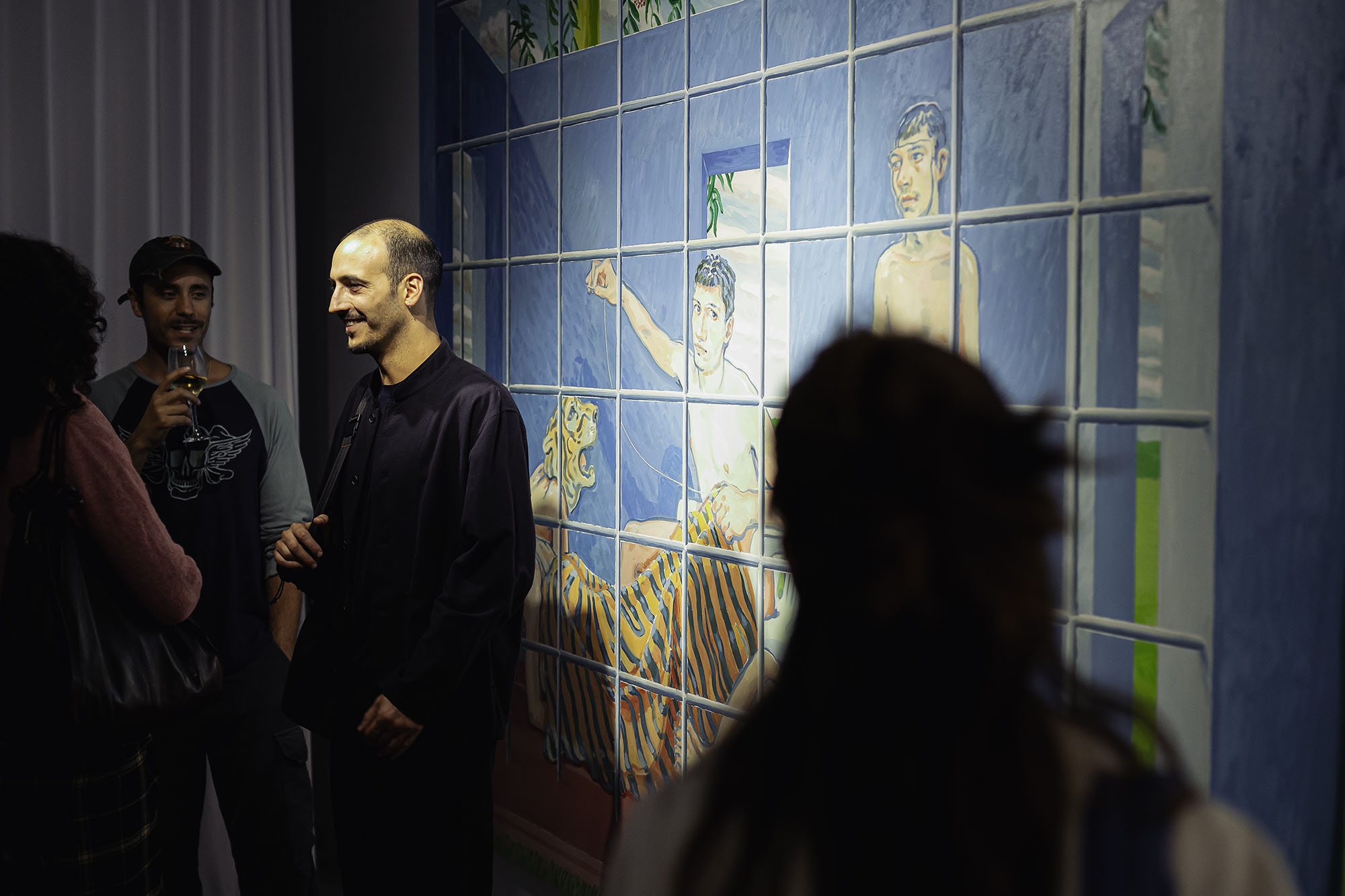
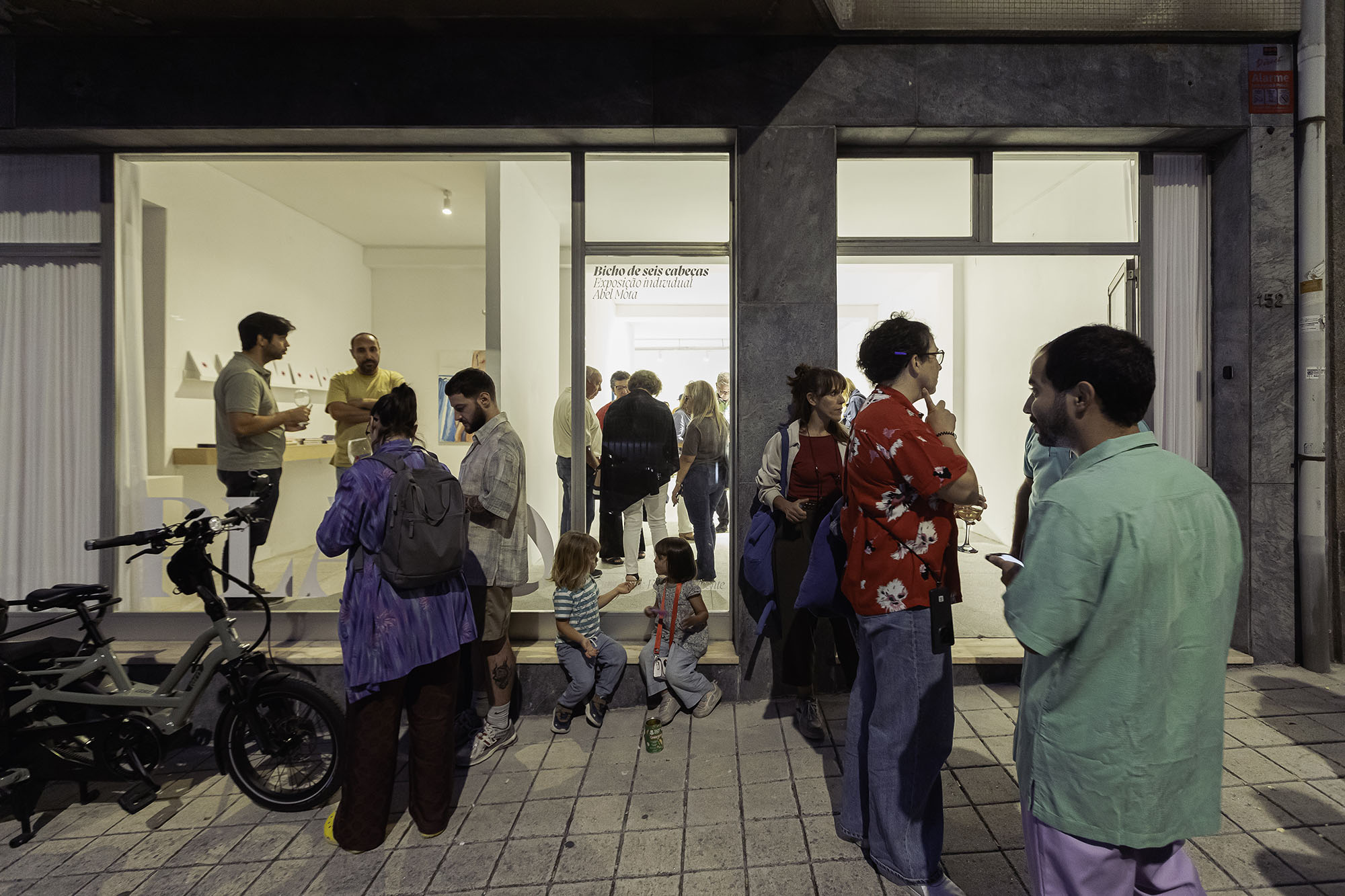
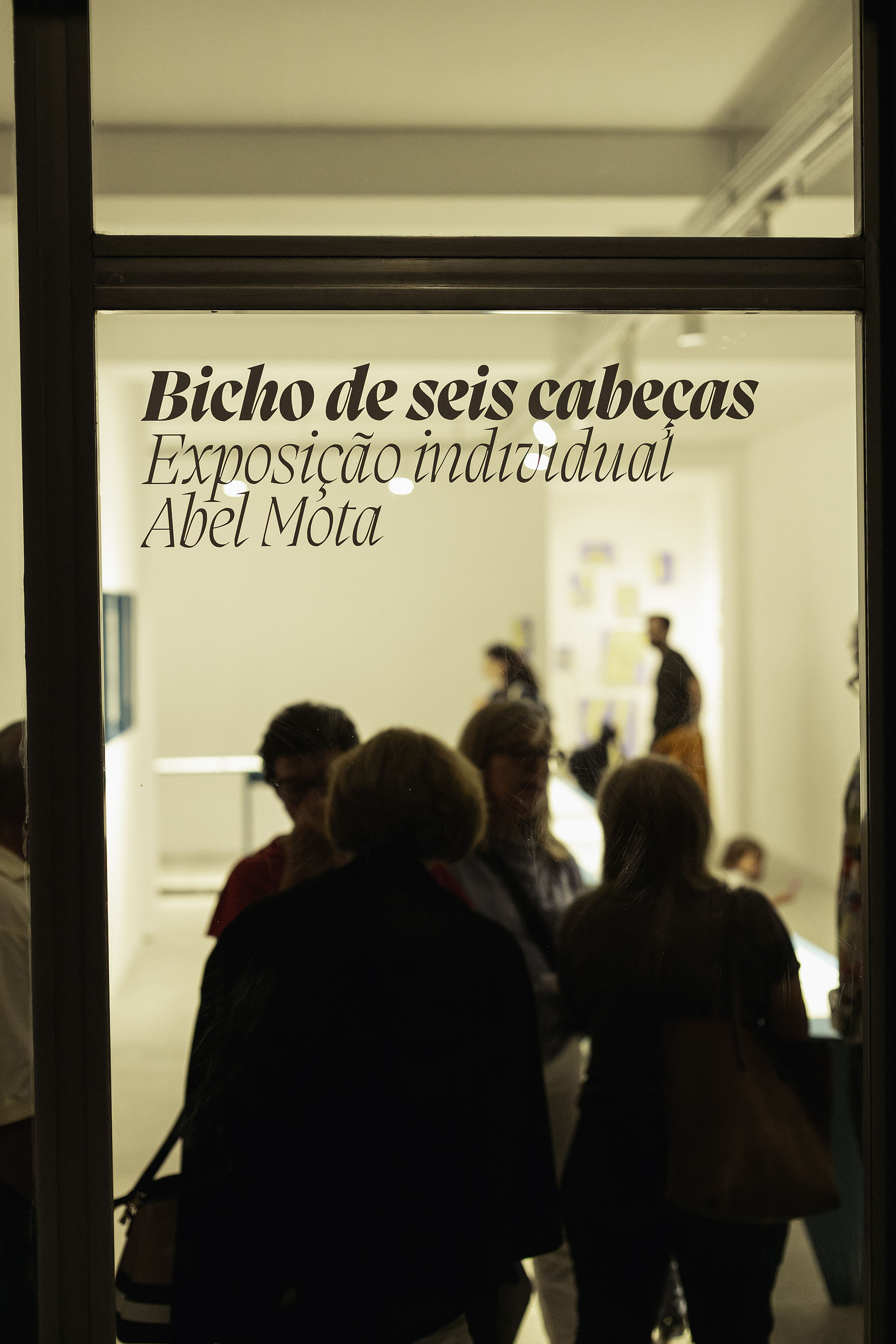
Opening

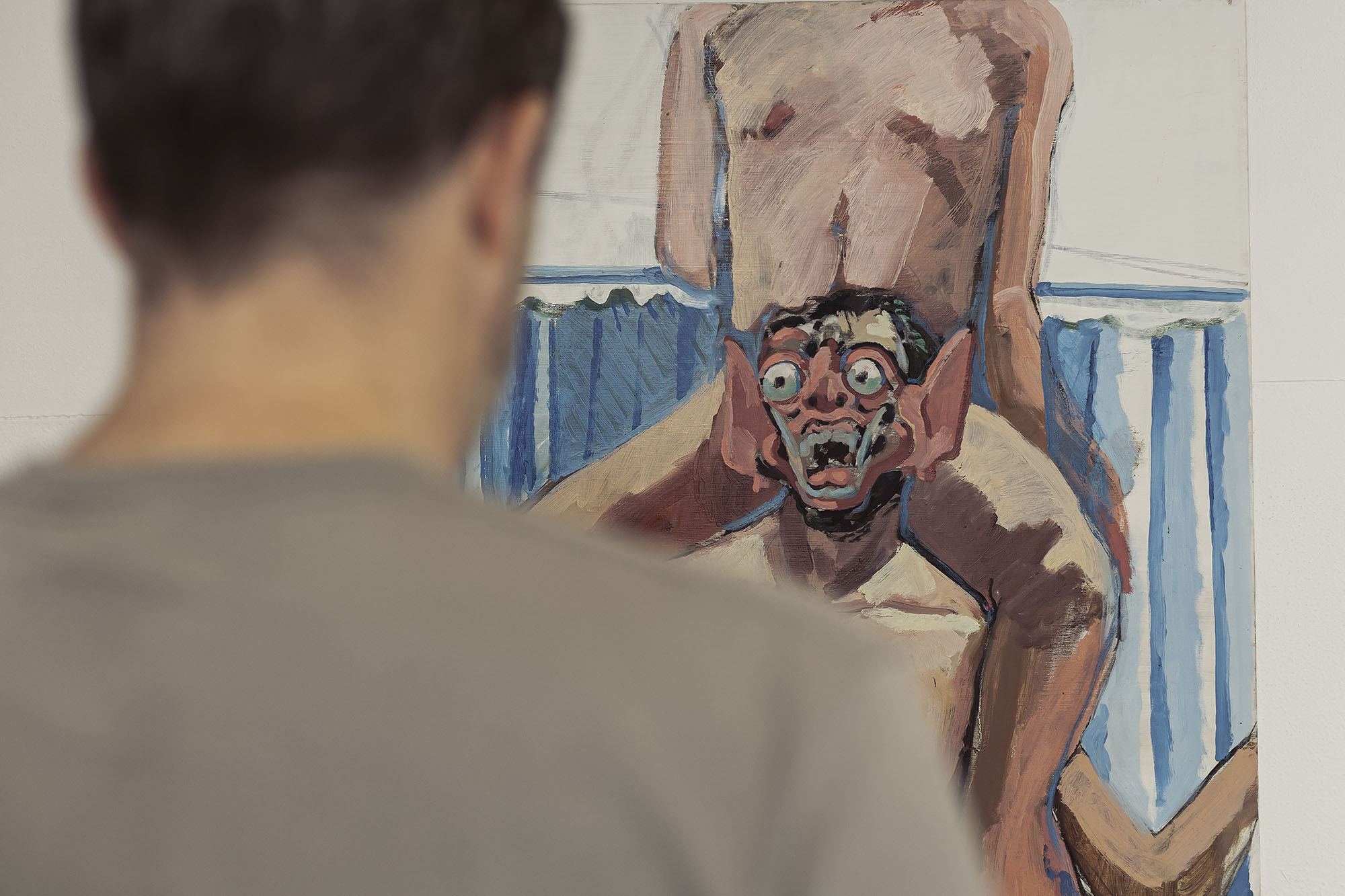







Works

Exhibition
Bicho de Seis Cabeças, [Plato Gallery] Porto
Six-Headed Creature Solo exhibition by Abel Mota Curated by Frederico Vicente Opening: September 12, 6 PM Six-Headed Creature is a non-linear sequence of drawings. Drawings that form fragmented narratives: overheard here, whispered there, blown in from elsewhere. Drawings of half-bodies, hybrid men, feathered beasts, and other sleepwalking figures. Drawings that highlight the importance of collage in the artist’s interspecies imagination. For Abel Mota, this creature is as much from the Brazilian sertão as it speaks in mirandês, yet it remains a familiar domestic being, one that feeds on our skepticism and drinks from our hesitations. But if it’s true that “ifs” don’t make history, and that history is not built on “ifs”, popular stories may tell a different tale. If it doesn’t exist, then why does it sleep at our feet? Why do we see it flying above our heads? Why do we dress it up for pretend play? Don’t deny the existence of this little beast. Six-Headed Creature is a journey suspended in chromatic tones, filled with unfinished plots and stories still waiting to be told. The opening of the show will take place on Friday, September 12, from 6 PM to 9 PM (Rua Brito Capelo 152, Porto). The exhibition will remain open until October 17, 2025, and can be visited Wednesday to Saturday, from 2 PM to 7 PM.